






















Bakery Equipment List: Ultimate Buying Guide


Starting or expanding a commercial bakery requires more than just great recipes—it requires the right equipment to ensure consistent, high-quality production. In this guide, we present a comprehensive Commercial Bakery Equipment List that will serve as the foundation for your bakery operations. Whether you're baking artisan bread, cakes, or pastries, this guide will help you make informed decisions.
What Is Commercial Bakery Equipment?
Definition and Importance
Commercial bakery equipment encompasses the specialized tools and machines used to produce baked goods at scale. Unlike domestic appliances, these machines are built for durability, efficiency, and compliance with food safety standards, making them indispensable in a commercial setting.
The right equipment not only enhances productivity but also ensures consistency in product quality—a critical factor for customer satisfaction and brand reputation.
Key Considerations When Choosing Bakery Equipment
- Space Planning: Optimize your bakery layout to accommodate equipment while maintaining an efficient workflow.
- Production Needs: Match your equipment to your production volume and product range.
- Energy Efficiency: Look for machines with energy-saving features to lower operational costs.
- Ease of Maintenance: Select equipment that is easy to clean and maintain, ensuring compliance with hygiene standards.
- Longevity: Invest in equipment made from high-quality materials such as stainless steel to withstand heavy use.
- Functional diversity: Some ovens have multiple baking modes, such as independent temperature control for upper and lower fires, hot air circulation and other functions, which can meet different baking requirements.
- Budget: Choose the right equipment according to your financial strength and find a balance between price and performance.
Essential Commercial Bakery Equipment List
1. Baking Ovens
Ovens are the backbone of any bakery. The type of oven you choose depends on the products you bake and your production capacity.
- Convection Ovens: These circulate hot air for even baking, ideal for cookies, pastries, and cakes.
- Deck Ovens: Preferred for artisan bread and pizzas, these ovens use stone surfaces to create crispy crusts.
- Rotary Ovens: High-capacity ovens that rotate trays for uniform baking, suitable for large-scale operations.
Key Features to Consider: Multi-rack capacity, precise temperature controls, and energy efficiency.
2. Dough Preparation Equipment
Efficient dough preparation is essential for maintaining product consistency and saving time.
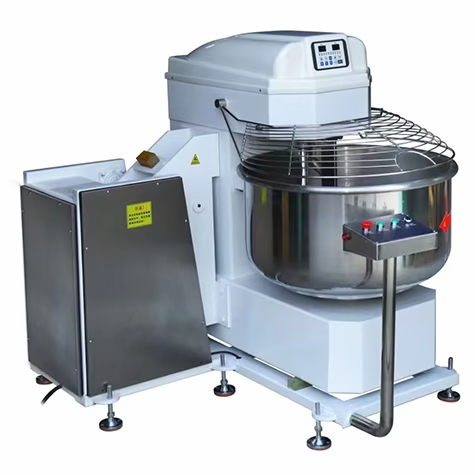
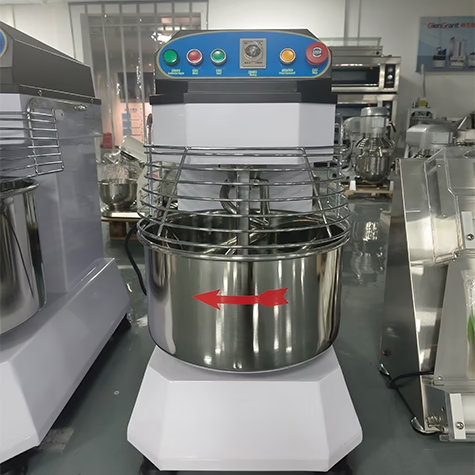
- Dough Mixers:
- Spiral Mixers: Designed for bread dough, these mixers maintain consistent temperatures during mixing.
- Planetary Mixers: Versatile mixers for cakes, pastries, and light doughs.
- Dough Dividers and Rounders: Automate the process of portioning and shaping dough for uniform results.
- Dough Sheeters: Roll out dough to a uniform thickness, essential for laminated pastries like croissants and puff pastry.
3. Baking Accessories
Accessories play a vital role in streamlining the baking process and improving efficiency.
- Baking Trays and Pans: Choose high-quality, non-stick options for easy cleaning and durability.
- Cooling Racks: Allow baked goods to cool evenly, preventing moisture buildup.
- Proofing Baskets: Help shape and proof artisan bread, enhancing its texture and appearance.
- Silicone Mats: Reusable and non-stick, these mats simplify baking and reduce waste.
- Baking stone or stone mat: distributes heat evenly for better baking results.
4. Refrigeration and Storage
Proper refrigeration and storage are essential for maintaining the quality of ingredients and finished products.
- Refrigerators and Freezers: Store perishable ingredients such as dairy and eggs.
- Blast Chillers: Quickly cool baked goods to preserve freshness and extend shelf life.
- Storage Racks: Organize dry ingredients, tools, and packaging materials for easy access.
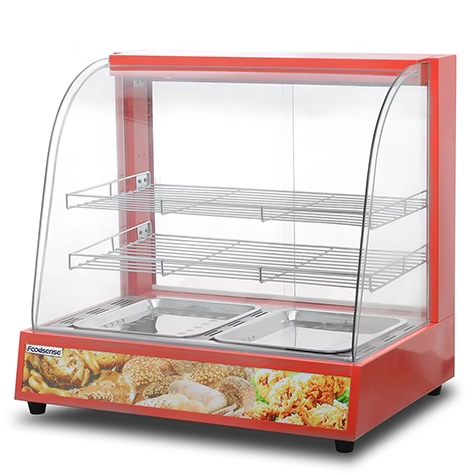
5. Display Equipment
Displaying your baked goods effectively can attract customers and boost sales.
- Refrigerated display cabinet: suitable for displaying baked goods such as cakes and bread that need to be refrigerated and kept fresh.
- Normal temperature display cabinet: can be used to display baked goods such as bread and snacks that are kept at room temperature.
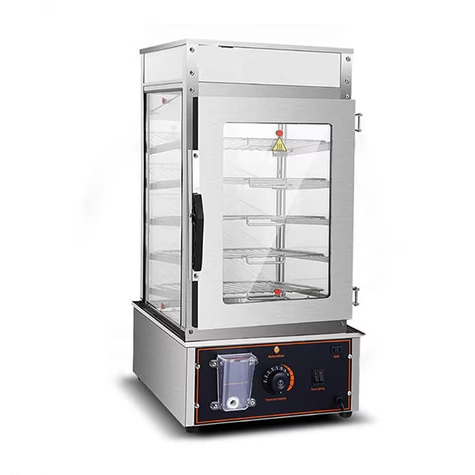
- Heated Cabinets: Keep warm items like pastries and buns at the ideal serving temperature.

How to Choose the Right Commercial Bakery Equipment
Assessing Your Bakery’s Needs
Every bakery has unique requirements. Ask yourself these key questions:
- What types of baked goods will you produce?
- What is your expected daily production volume?
- Do you have plans for menu expansion or scaling up?
- Who are your consumer audiences?
Only by comprehensively considering factors such as product type, output, development plan and target audience can you select baking equipment that meets your needs and lay a solid foundation for the success of your baking business.
Budget Planning
Investing in bakery equipment requires careful financial planning:
- New vs. Refurbished: While new equipment offers the latest features and warranties, refurbished equipment can be a cost-effective alternative for startups.
- Long-Term Value: Focus on durability and efficiency to minimize maintenance costs over time.
Comparing Brands and Models
Not all equipment is created equal. Research reputable brands and models by:
- Reading reviews and testimonials.
- Consulting with industry professionals.
- Visiting showrooms to see equipment in action.
Maintenance Tips for Commercial Bakery Equipment
Daily Cleaning Practices
Regular cleaning is essential to maintain hygiene and extend the lifespan of your equipment:
- Use food-safe cleaning solutions to avoid contamination.
- Wipe down surfaces and remove debris after each use.
- Clean mixers, ovens, and proofing equipment according to manufacturer guidelines.
Regular Inspections and Repairs
Preventative maintenance can save you from costly breakdowns:
- Schedule regular inspections to identify wear and tear.
- Replace worn-out parts promptly to ensure optimal performance.
- Keep a log of maintenance activities for each piece of equipment.
FAQs About Commercial Bakery Equipment
What is the average cost of setting up a commercial bakery?
The cost varies based on size, location, and equipment needs. A small bakery may require $50,000–$100,000, while a larger operation can cost upwards of $250,000.
How do I choose between gas and electric ovens?
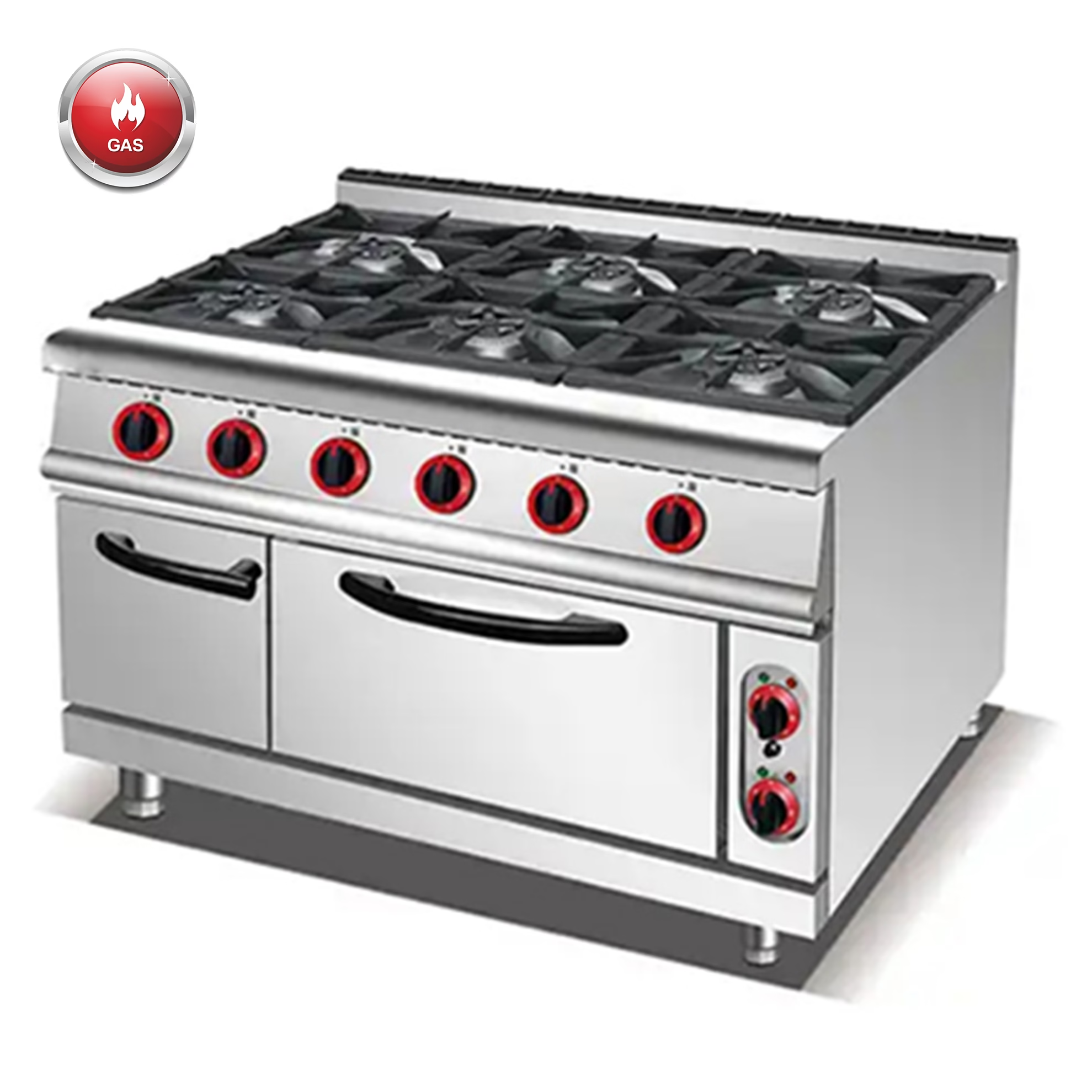
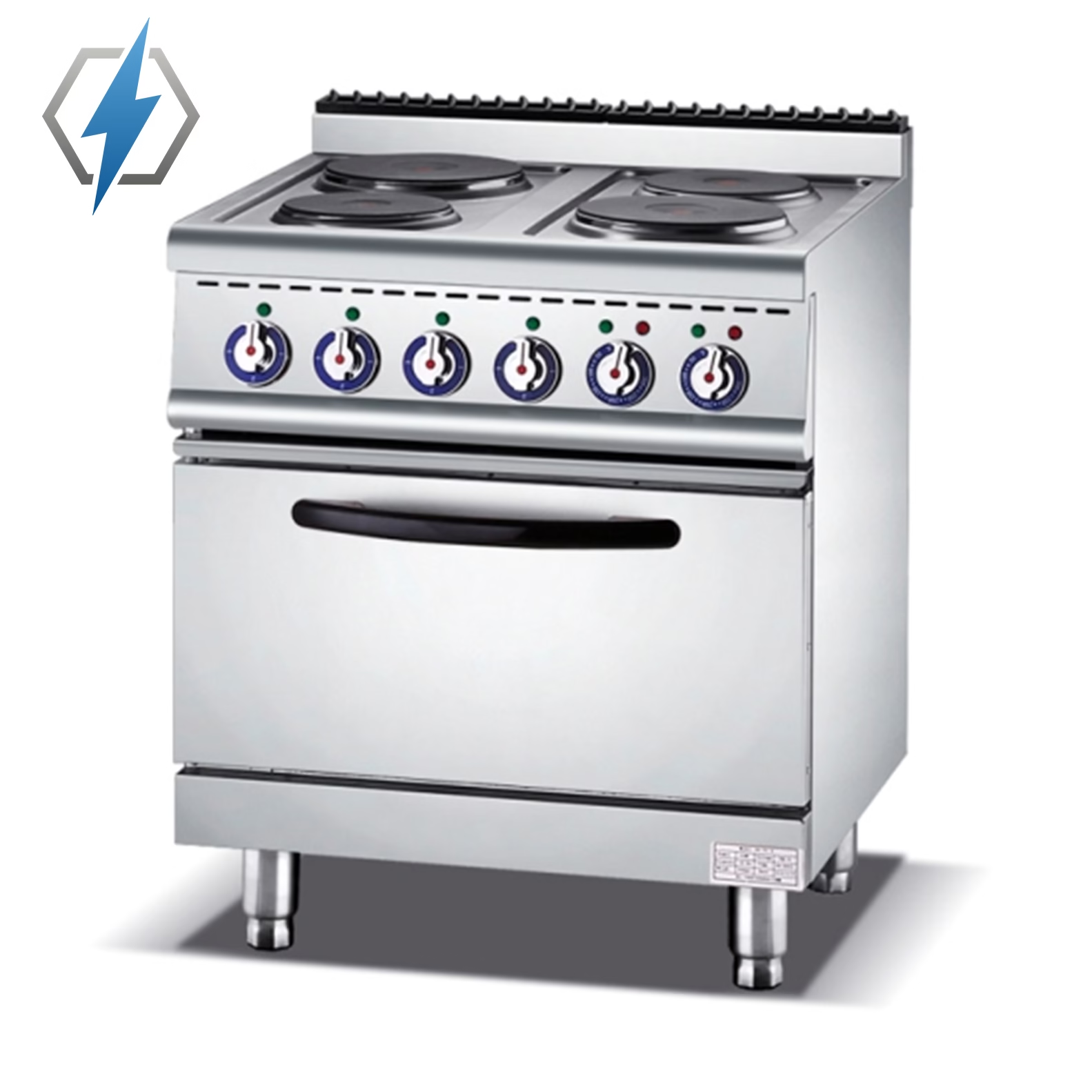
Gas ovens tend to be more cost-effective for large-scale operations, while electric ovens offer precise temperature control, making them ideal for delicate pastries.
Can I start with second-hand bakery equipment?
Yes, second-hand equipment can be a budget-friendly option, but ensure it’s in good working condition and meets safety standards.
Conclusion
Investing in the right commercial bakery equipment is crucial for the success of your bakery. From ovens to dough mixers and display cases, each piece plays a vital role in enhancing efficiency and product quality. By understanding your needs, planning your budget, and maintaining your equipment, you can set the foundation for a thriving bakery business.
Ready to take the next step? Explore our range of commercial bakery equipment or contact us for expert advice tailored to your business needs.

