












Discover Authentic Flavor

OasisGrill

Unleash rich, traditional tastes effortlessly with the OasisGrill. Perfect every meal.

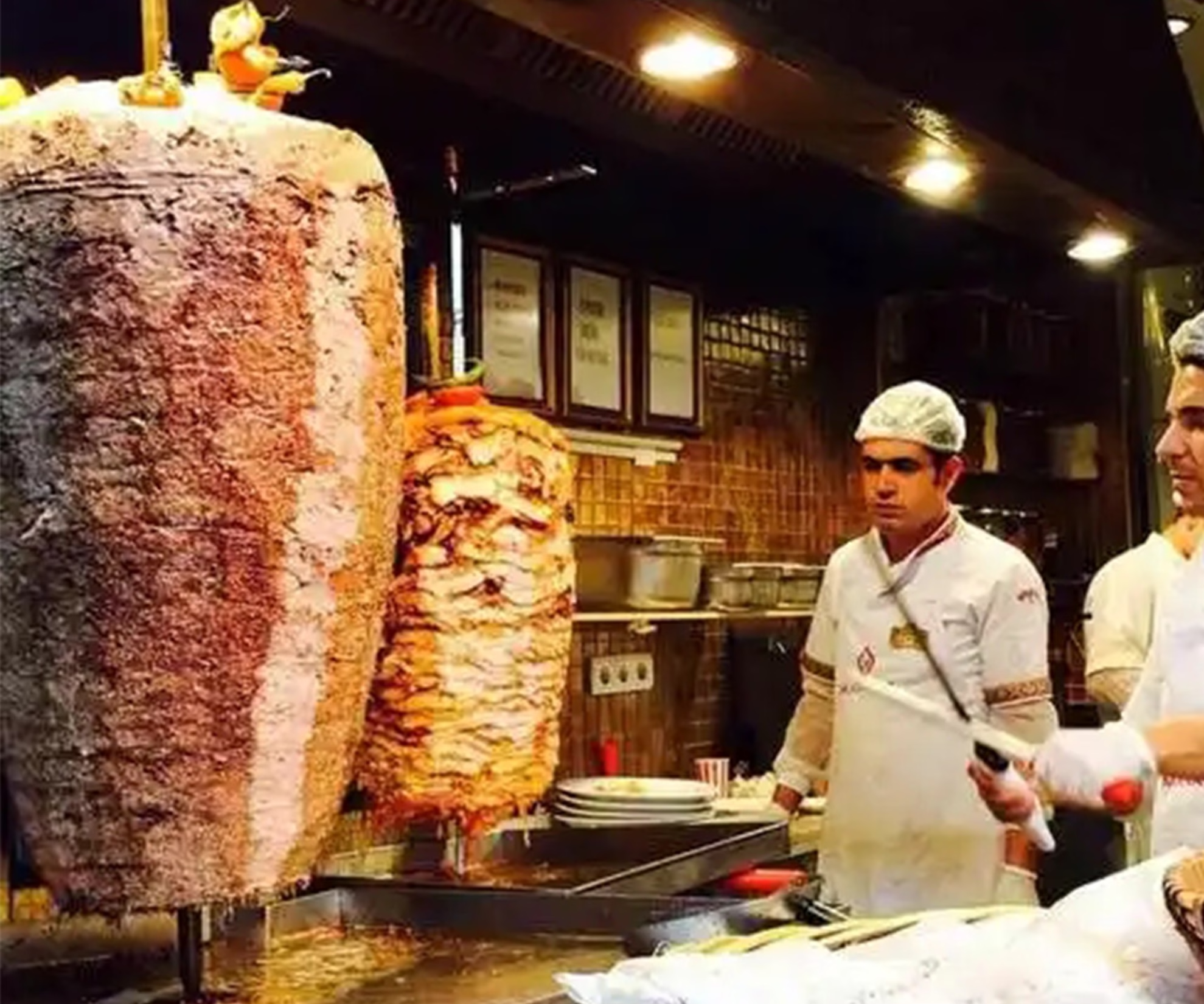
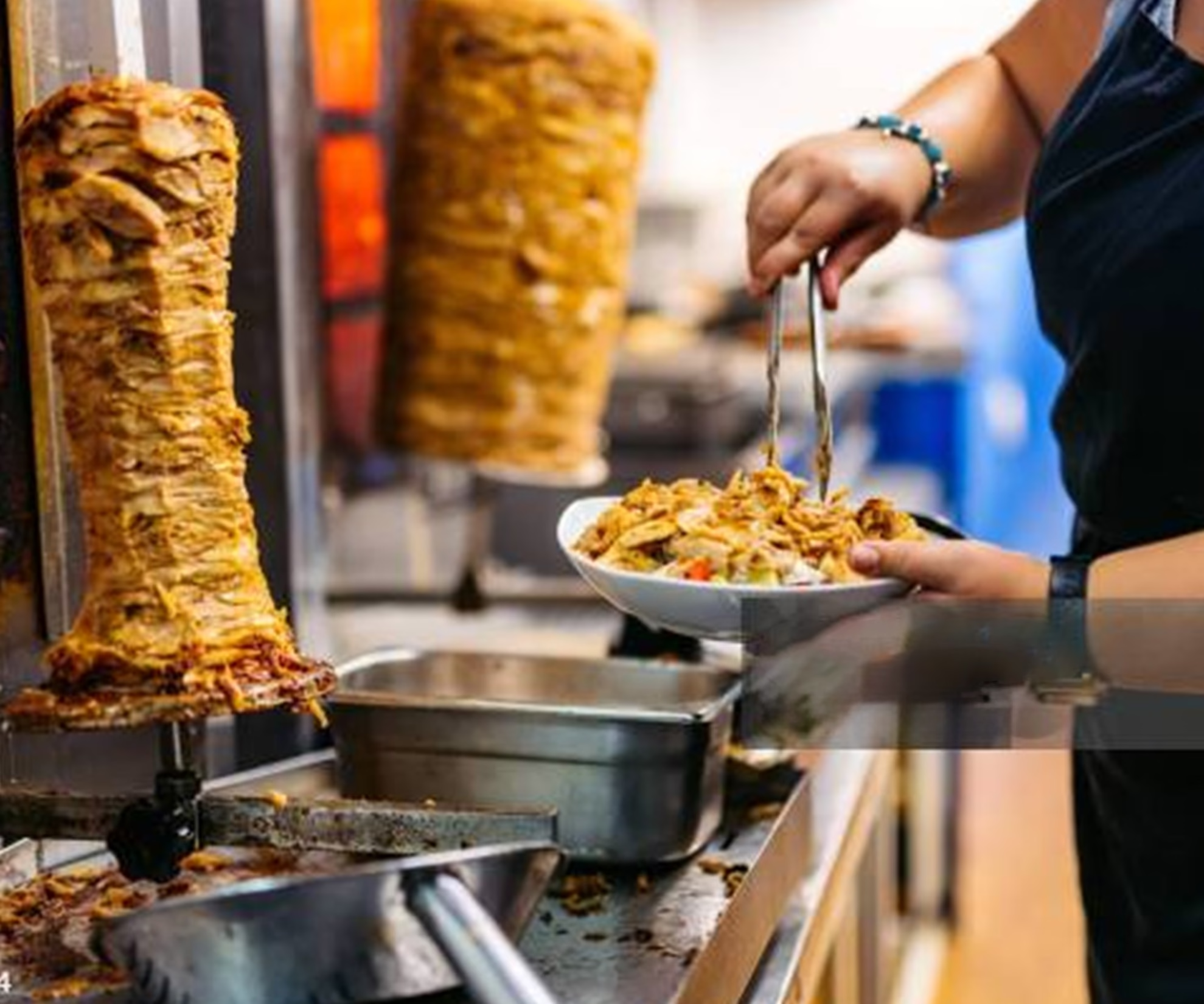
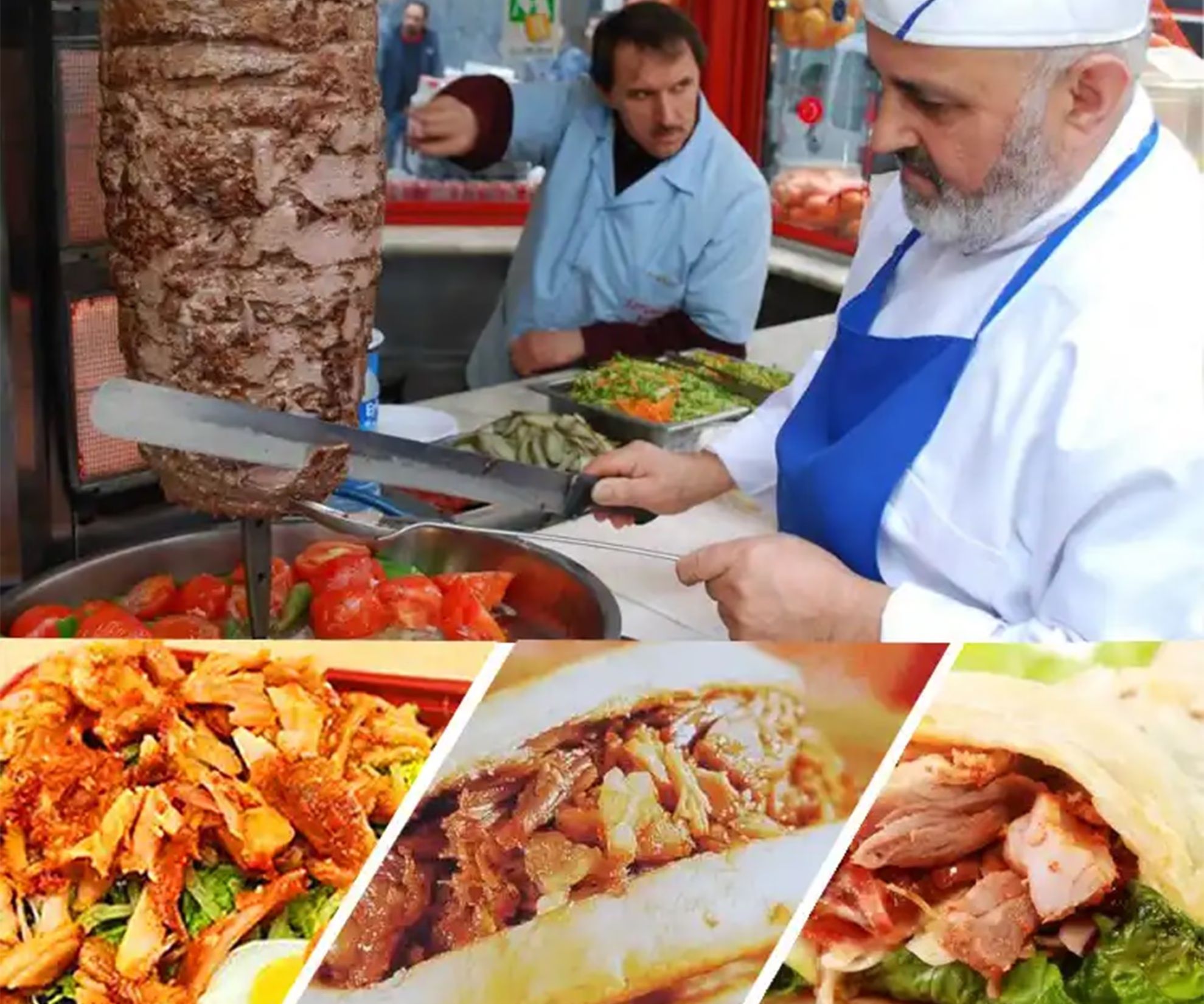
Supported Dishes

Dishes you can prepare using our equipment! If you have any questions about the use of our equipment, our experts will give you free consultation!

Adjustable temperature

With the temperature adjustment function, the temperature of the oven can be accurately adjusted according to different ingredients and baking requirements, so as to bake food with different tastes and doneness.

Uniform temperature

Usually equipped with multiple burners, and the burners are evenly distributed, which can make the temperature distribution in the oven more uniform, ensuring that all parts of the food can be fully baked, avoiding the situation where some parts are burnt and some are not cooked through.

Oil dripping collection

Equipped with an oil dripping tray or oil dripping collection device, it can collect the oil dripping from the food during the baking process, preventing the oil from dripping directly onto the burner to produce oil smoke and odor, and also facilitate cleaning the oven to keep the oven clean and hygienic.

Rotating grill

Many shawarma are equipped with a rotating grill, which rotates at a constant speed driven by a motor, so that the food can be evenly heated and the roasting effect is more ideal. This rotating function is particularly useful for roasting larger meats, such as whole lamb, turkey or large kebabs, which can ensure that all parts of the food are roasted just right.

Case Support

Your Perfect Partner, Ideal Choice for Any Scenario

Customer Reviews

They have already used our services

Q&A

What is a Middle Eastern Grill?

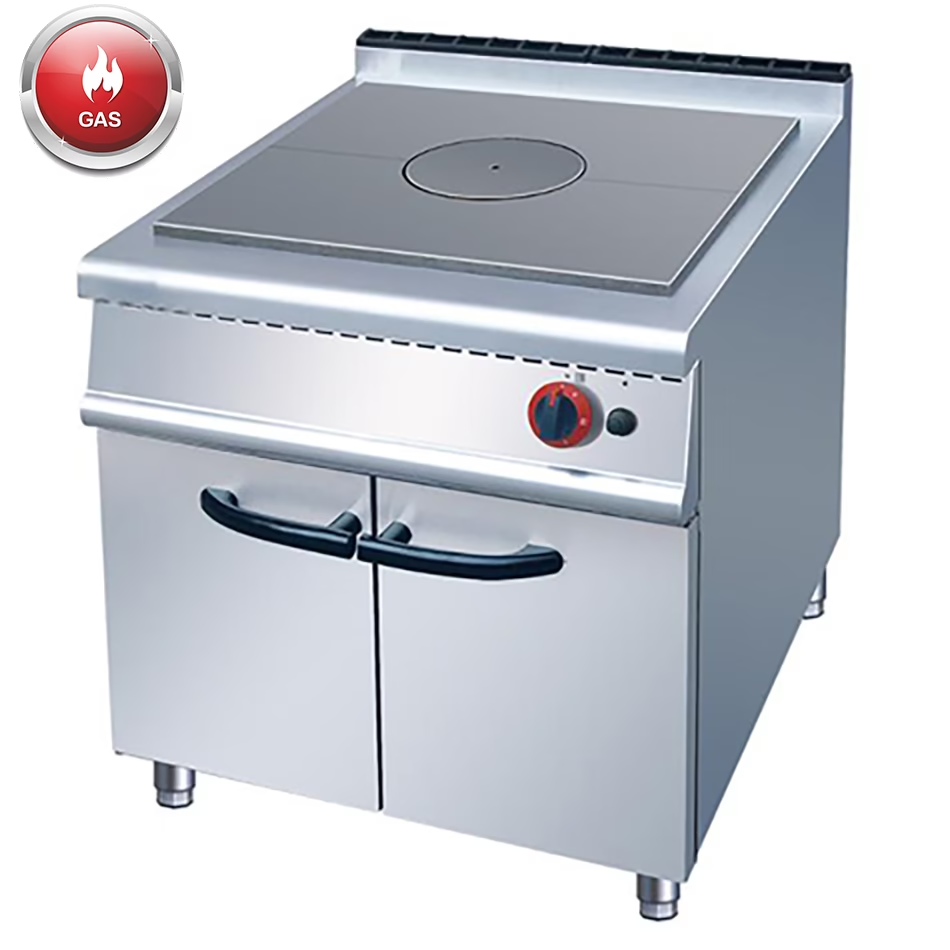
A Middle Eastern grill is a barbecue appliance with unique style and functionality. Below are some common product features:

Structure and Materials:
  1. Main Frame: Typically made of stainless steel, which offers excellent heat resistance and corrosion resistance, can withstand high-temperature grilling environments, and is less prone to rust. This ensures the longevity and hygiene of the grill. For example, high-quality Middle Eastern grills have key components such as the outer frame and grill grates made from premium stainless steel.
  2. Combustion Chamber: Usually made of metal, designed to withstand high temperatures and wear, and easy to clean. The combustion chamber is where the gas burns, and its design and material choice are crucial for heating efficiency and safety.
Heating Methods:
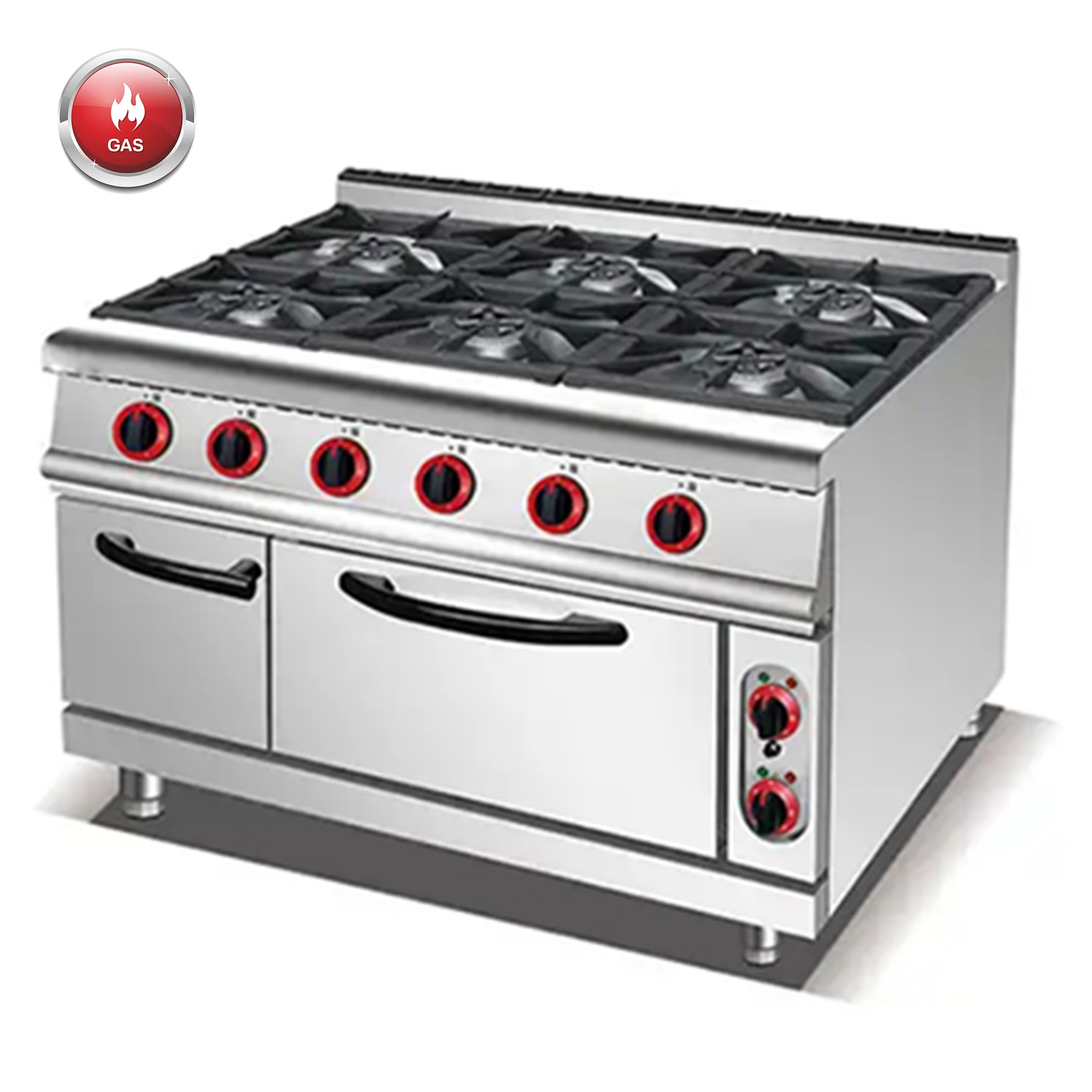
  1. Gas-Powered: This is a common heating method for Middle Eastern grills, using natural gas or liquefied petroleum gas as fuel. The gas flows through an intake valve to the burner, where it mixes with air and ignites, producing high temperatures. This method heats up quickly, can cook food rapidly, and allows easy temperature adjustment and control to suit different ingredients and cooking needs.
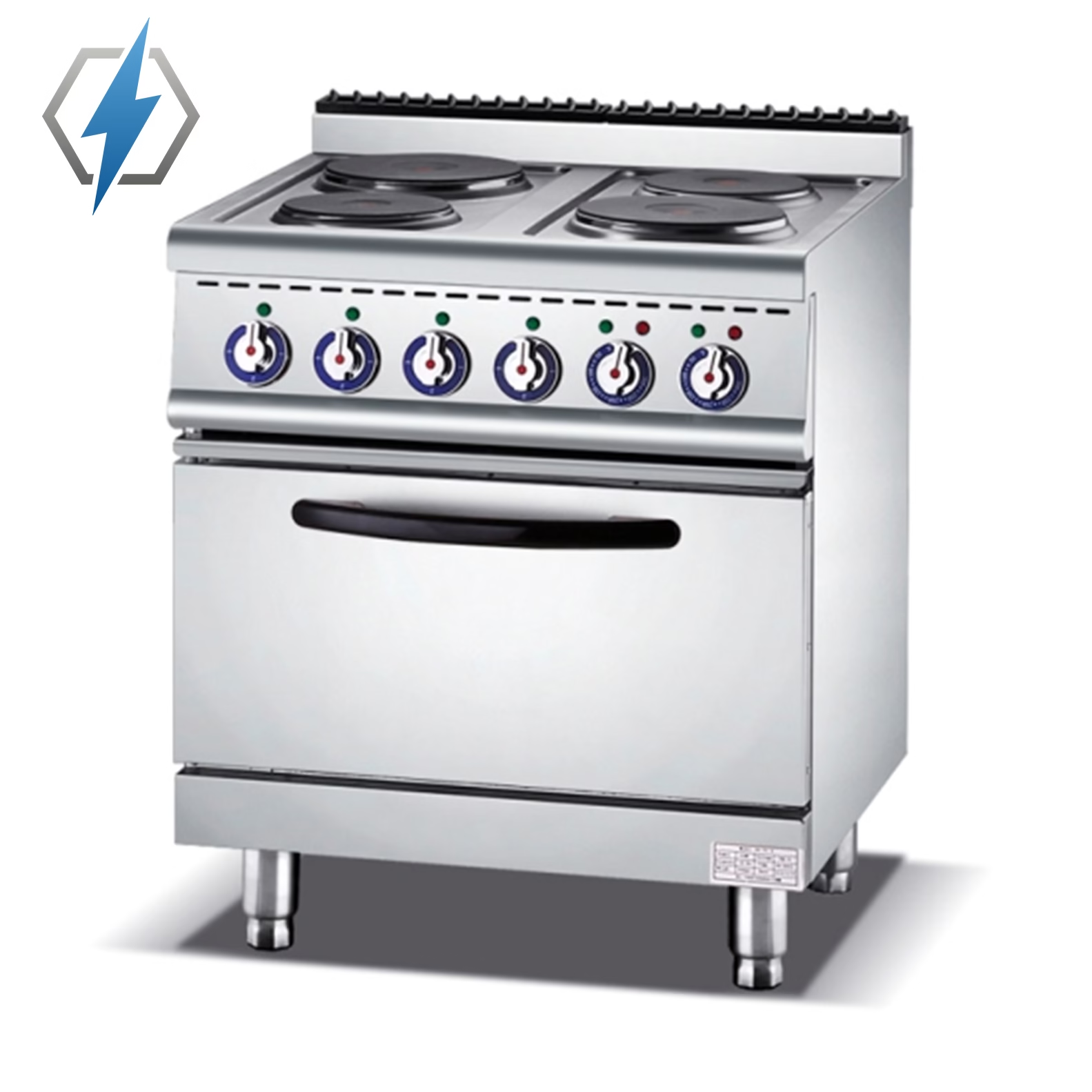
  2. Electric-Powered: Uses electric-driven heating elements to cook food. The elements convert electrical energy into heat, ensuring even cooking with high efficiency. Electric grills are relatively simple to operate and lack the safety risks of gas leaks, but may be limited by electricity supply.
Features:
  1. Rotating Grates: Many Middle Eastern grills come with rotating grates, driven by a motor to rotate evenly, ensuring even heating and ideal cooking results. This is especially useful for larger meats like whole lamb, turkey, or large skewers, ensuring all parts are cooked perfectly.
  2. Temperature Control: Equipped with precise temperature control systems to adjust the grill's temperature within a certain range. Advanced models include electronic thermostats for real-time temperature display and adjustment, making it easier to monitor cooking progress.
  3. Drip Tray: Features a drip tray or collection system to catch drippings from food, preventing them from falling onto the heat source and causing smoke and odors, while also facilitating easy cleaning.
  4. Size Specifications: Middle Eastern grills come in various sizes, ranging from small countertop models suitable for home use or small restaurants, to larger freestanding models for commercial kitchens or outdoor BBQ events, capable of cooking large quantities of food simultaneously.
  5. Suitable Ingredients: Primarily used for grilling various meats like lamb, beef, and chicken, as well as vegetables and bread. Their unique heating methods and design offer distinct flavors and textures to foods.
After-Sales Service and Warranty
  • Warranty Period: Typically offers a 1-year warranty.
  • After-Sales and Warranty: To ensure the proper operation and extend the life of the Middle Eastern grill, users should operate correctly and maintain regularly. If there are issues that cannot be resolved independently, it is recommended to consult professional after-sales service.
    1. Repair Services: During the warranty period, if there are non-user-induced quality issues, the manufacturer or dealer will offer free repairs, including replacing faulty parts and fixing circuit problems. For example, if the heating element fails under normal use, the manufacturer will replace it.
    2. Technical Support: Users can consult the manufacturer or dealer for operational or technical questions via phone, email, or online customer service. They will provide technical guidance and answers, such as correctly setting temperature and time, and performing maintenance.
    3. Parts Supply: Even outside the warranty, manufacturers or dealers supply original parts to ensure normal use of the grill. However, the cost of parts outside the warranty is the consumer's responsibility.
  • Handling of Consumables: Consumables are usually not covered by the warranty or have a shorter warranty period. Parts like grill trays, grates, and glass doors, which are frequently used and prone to wear, have different warranty policies compared to the main unit.
Operating Instructions
Preparation Before Use
  1. Inspect the Grill:
    • Check for any damage, particularly to the outer shell, grates, and gas lines (for gas grills), to ensure the grill’s integrity.
    • Ensure the grill is clean; remove any leftover food residue or grease for hygienic cooking.
  2. Place the Grill:
    • Set the grill on a stable, well-ventilated spot, away from flammable materials and water sources. Ensure there is enough space around it for operation and heat dissipation.
  3. Connect Power Source:
    • Gas Grill: Connect the gas line, check that the gas valve is closed, and ensure secure connections without leaks. You can use soapy water to check for bubbles at the connections, indicating leaks that need fixing.
    • Electric Grill: Plug the grill into a suitable power outlet, ensure the power cord is intact, and properly grounded.
Operating Steps
  1. Ignition:
    • Gas Grill: Open the gas valve, press the ignition button or use a lighter. After ignition, check if the flame is normal and adjust the valve for the desired flame size. A blue flame usually indicates full combustion, and the flame height should be adjusted based on cooking needs.
    • Electric Grill: Turn on the power, and set the desired temperature using knobs or touch screens, adjusting settings based on different foods and cooking requirements.
  2. Preheat the Grill:
    • Allow the grill to preheat for about 10-15 minutes. Preheating ensures an even and stable internal temperature, enhancing cooking results. Monitor the temperature display to ensure it reaches the set value.
  3. Prepare Ingredients:
    • Process the food for grilling, such as cutting or marinating. Choose appropriate seasonings and marinating methods to enhance taste and flavor.
    • Skewer or place processed food on the grill pan, ready for grilling.
  4. Grill the Food:
    • Open the grill, place the food inside, ensuring even placement to avoid stacking, which could affect cooking results.
    • Set appropriate cooking time and temperature based on the type and size of the food. Typically, meats require higher temperatures and longer cooking times, while vegetables need lower temperatures and shorter times.
    • Turn the food as needed to ensure even heating. For grills with rotating grates, automatic rotation eliminates the need for manual turning.
    • Monitor the cooking progress, and remove food when it reaches a golden brown color or desired doneness.
  5. Turn Off the Grill:
    • After cooking, first close the gas valve (for gas grills) or power switch (for electric grills).
    • Allow the grill to cool naturally before cleaning and maintenance.

Similar products

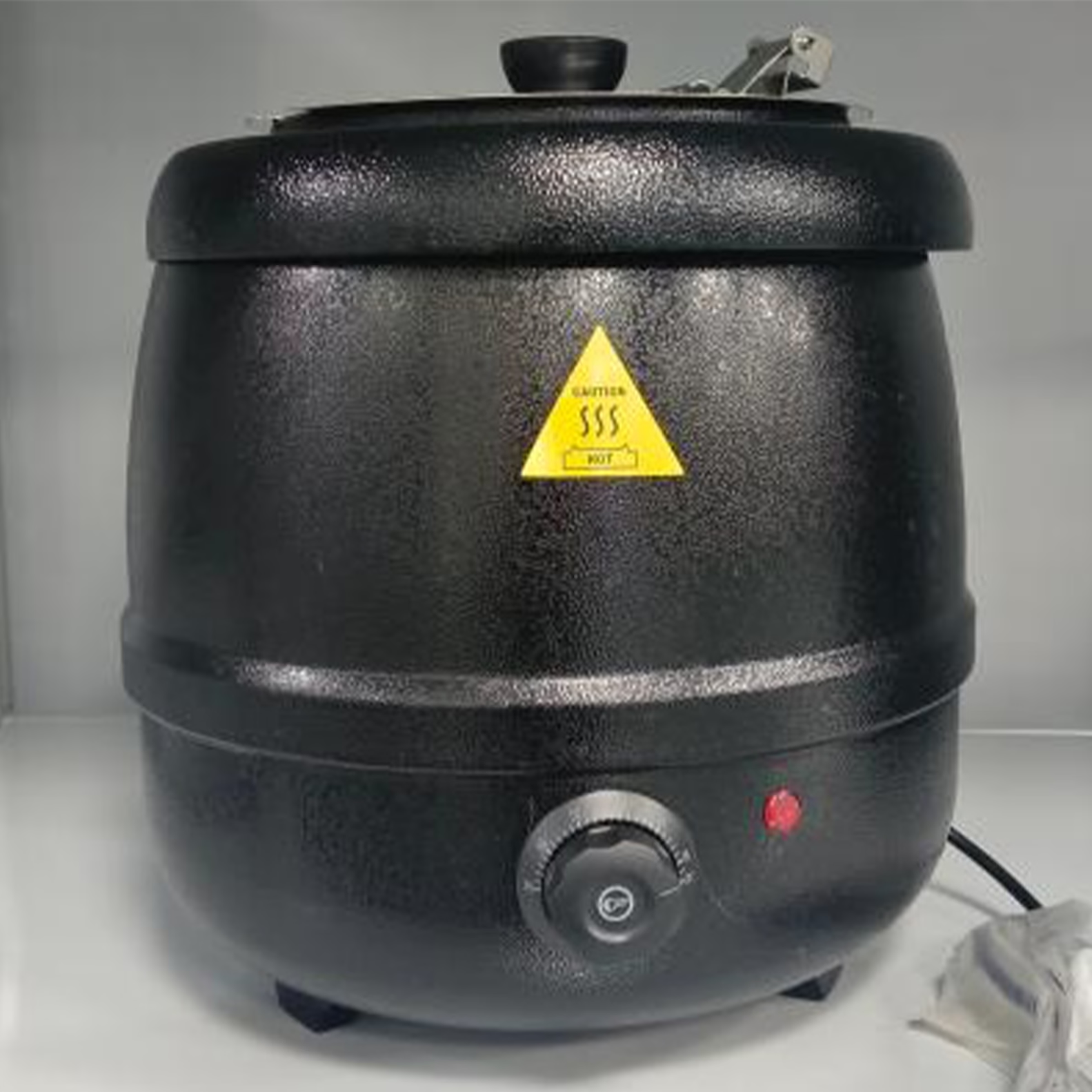
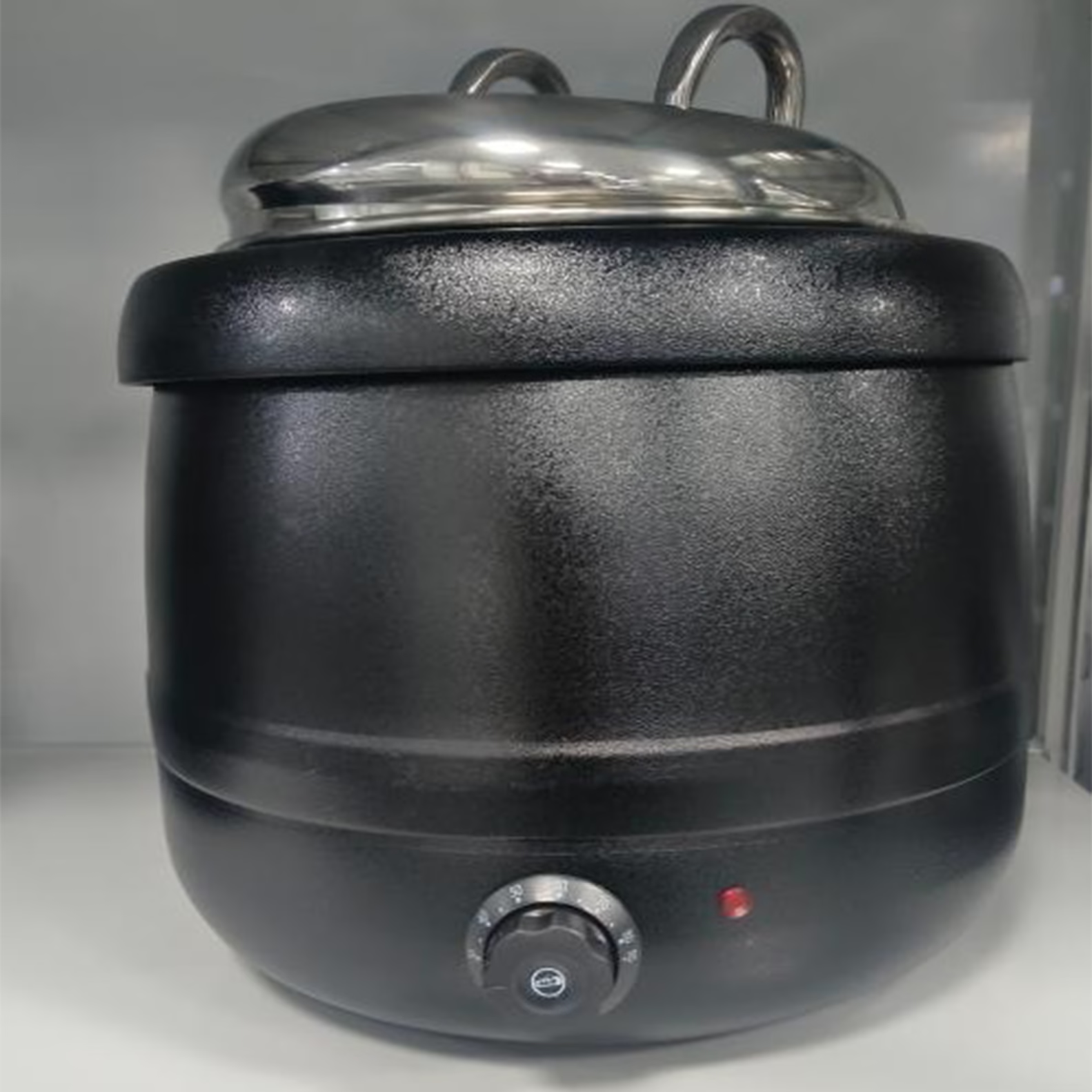
10L Black Electric Soup Cooker Flat Cover

Price range: $18.00 through $20.00

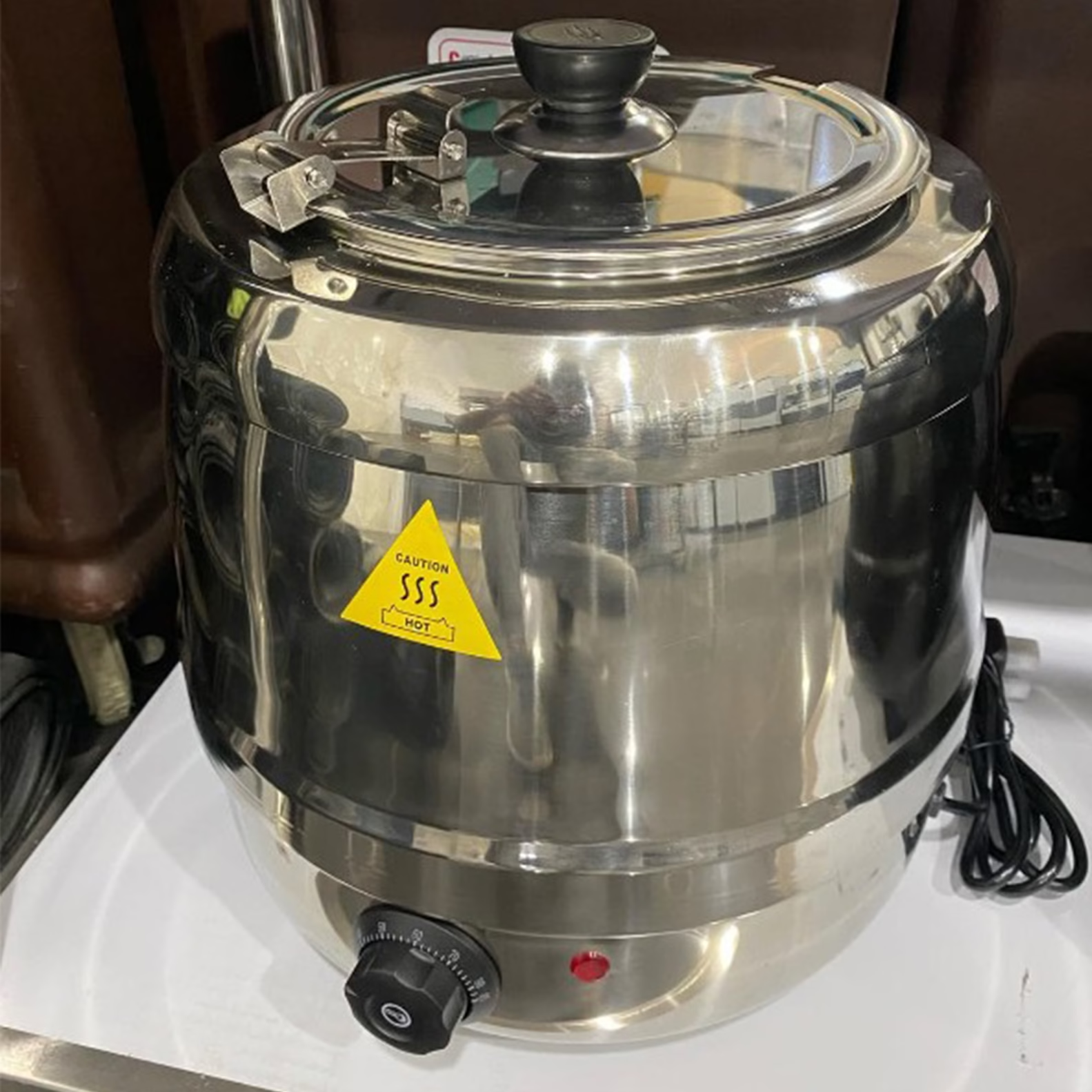
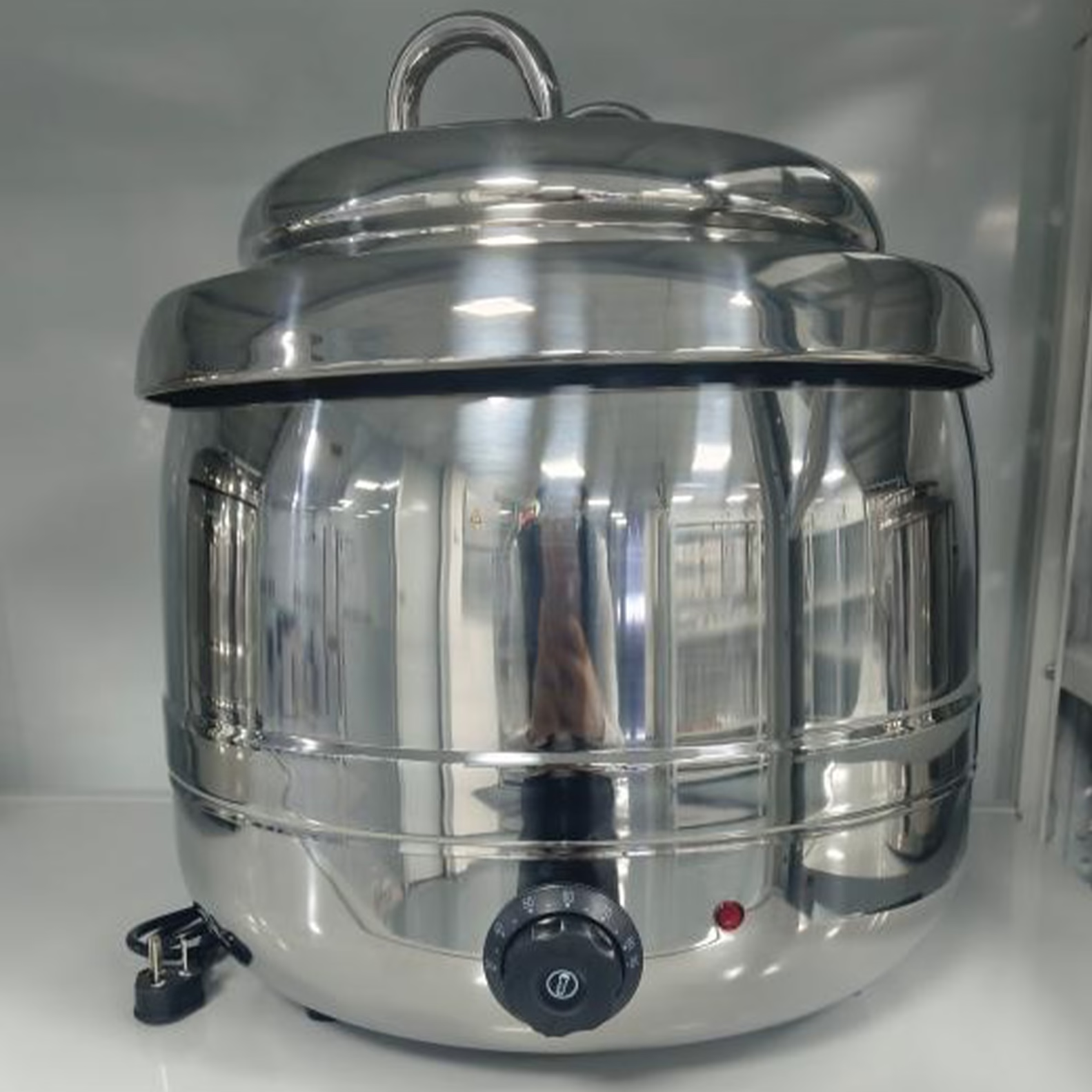
10L Stainless Steel Electric Soup Cooker

Price range: $28.00 through $30.00

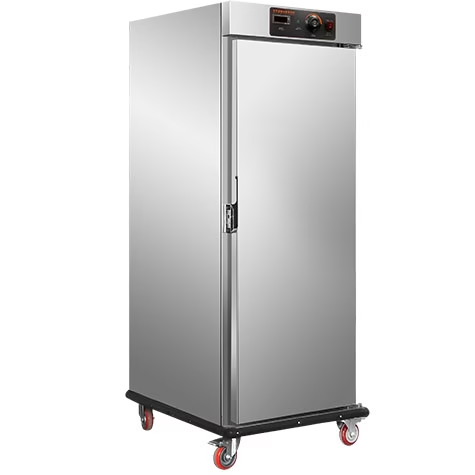
11-layer Food Warmer Banquet Cart

Price range: $535.00 through $585.00

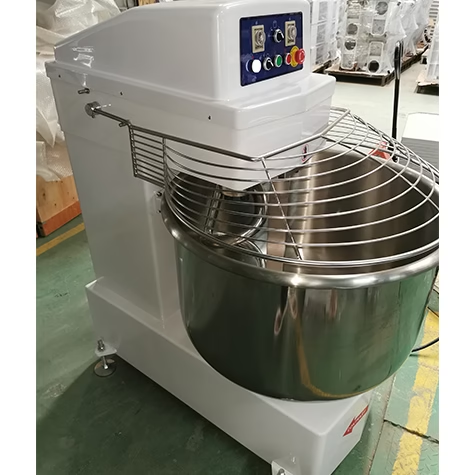
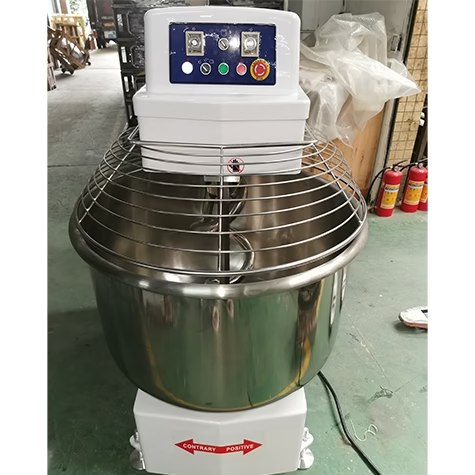
130L Dough mixer

Price range: $1,980.00 through $2,150.00

130L-Spiral Mixer

Price range: $2,140.00 through $2,325.00

13L Black Soup Pot

Price range: $29.00 through $32.00

13L stainless steel drum soup pot

Price range: $33.00 through $36.00

16L Tabletop fried chicken oven

Price range: $350.00 through $380.00

200L Dough mixer

Price range: $3,000.00 through $3,250.00

Other Products

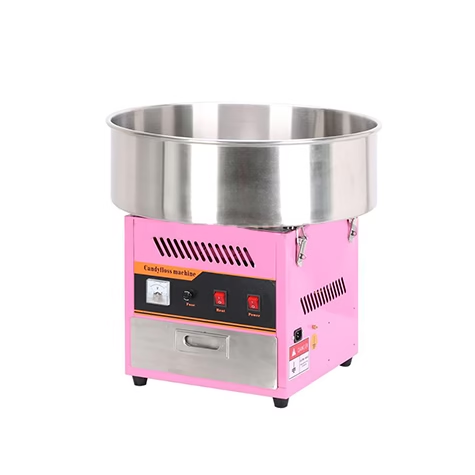
Candy floss machine

Price range: $60.00 through $65.00

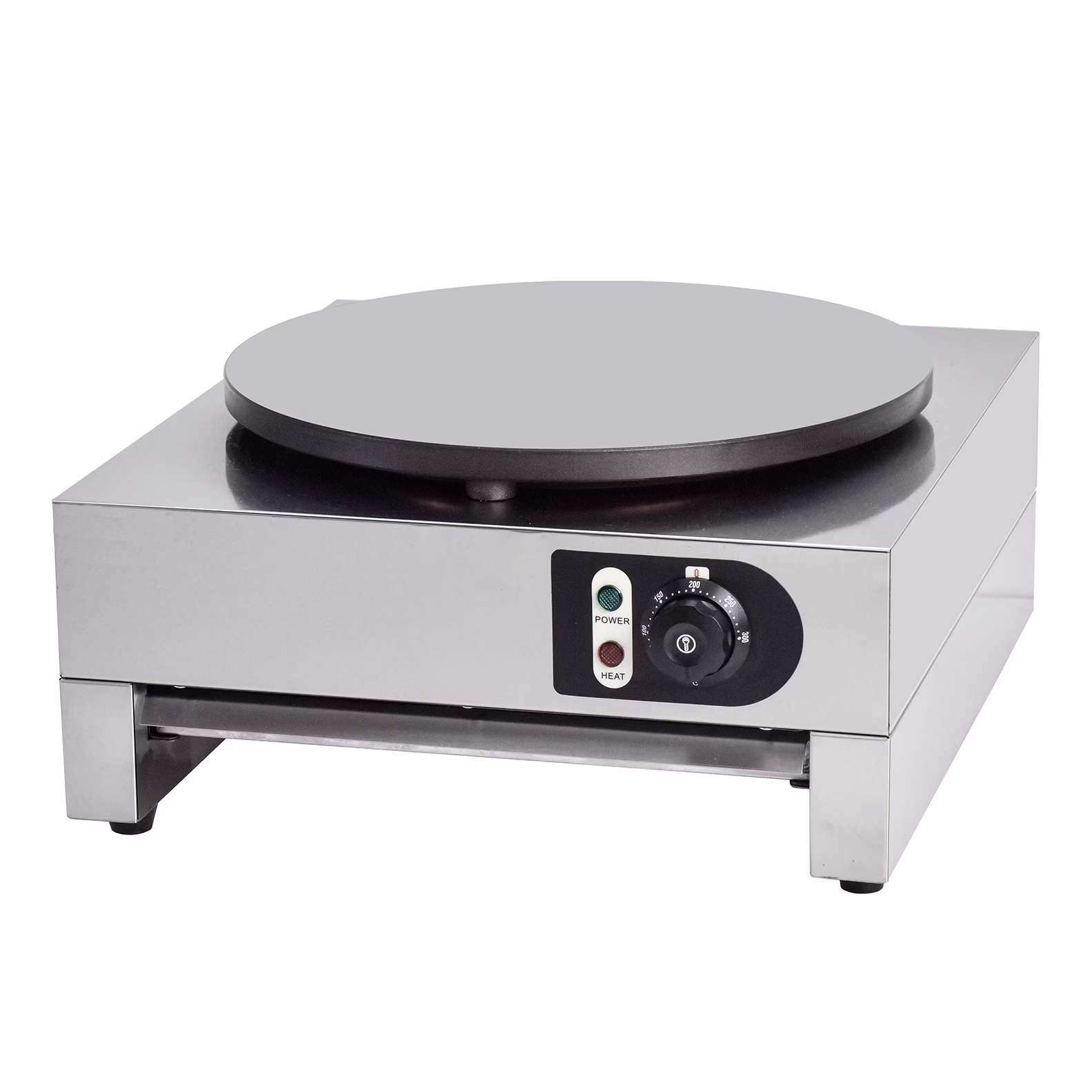
Crepe maker

Price range: $58.00 through $65.00

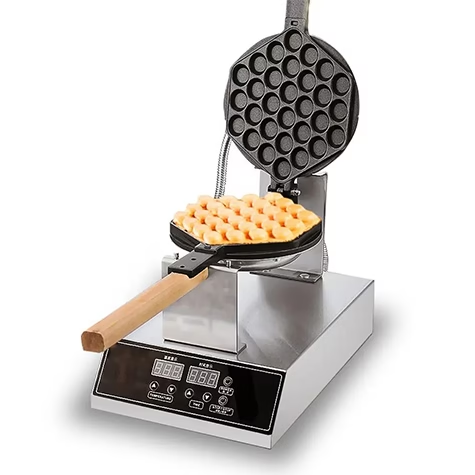
Egg waffle machine

Price range: $47.00 through $51.00

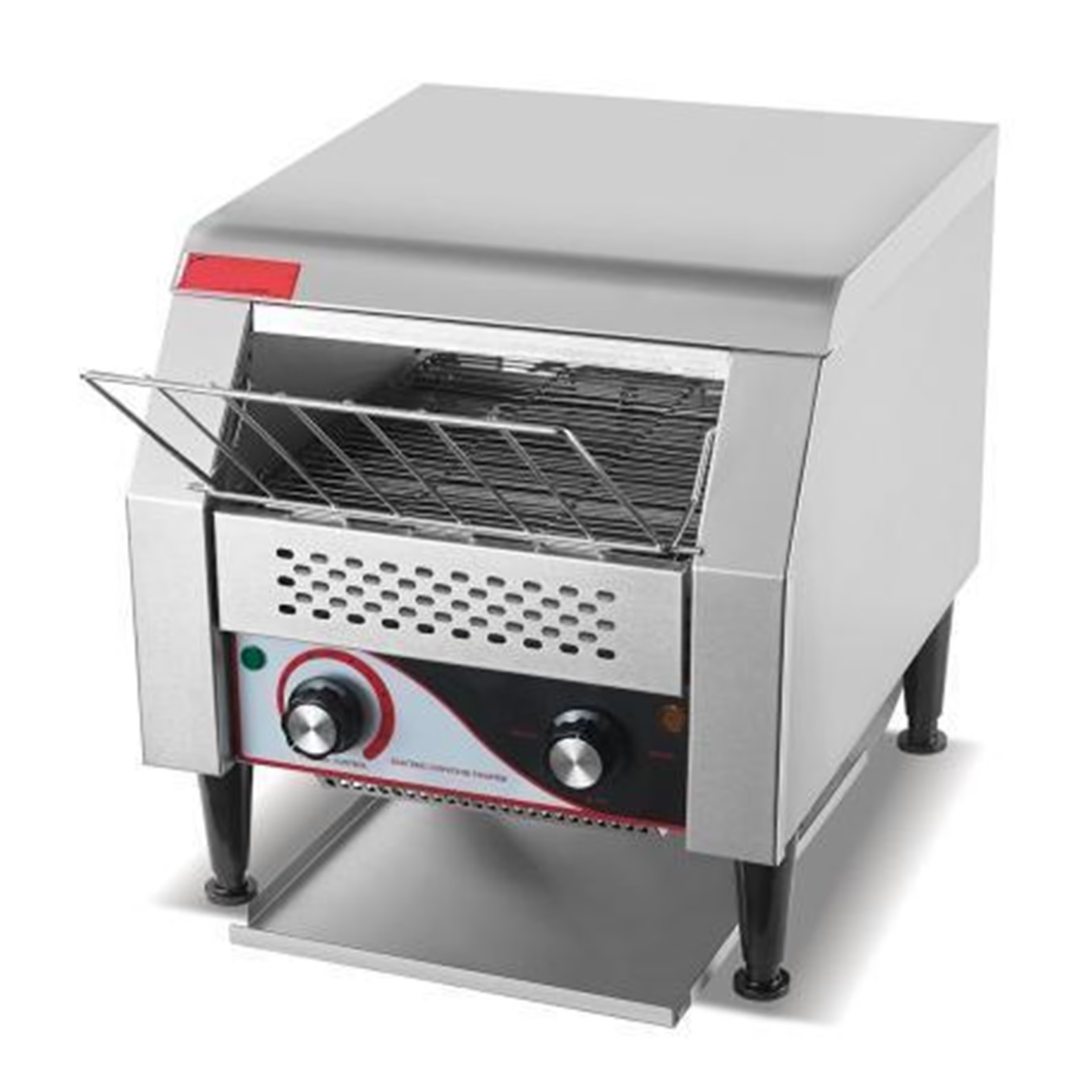
Electric Conveyor Toaster

Price range: $200.00 through $215.00

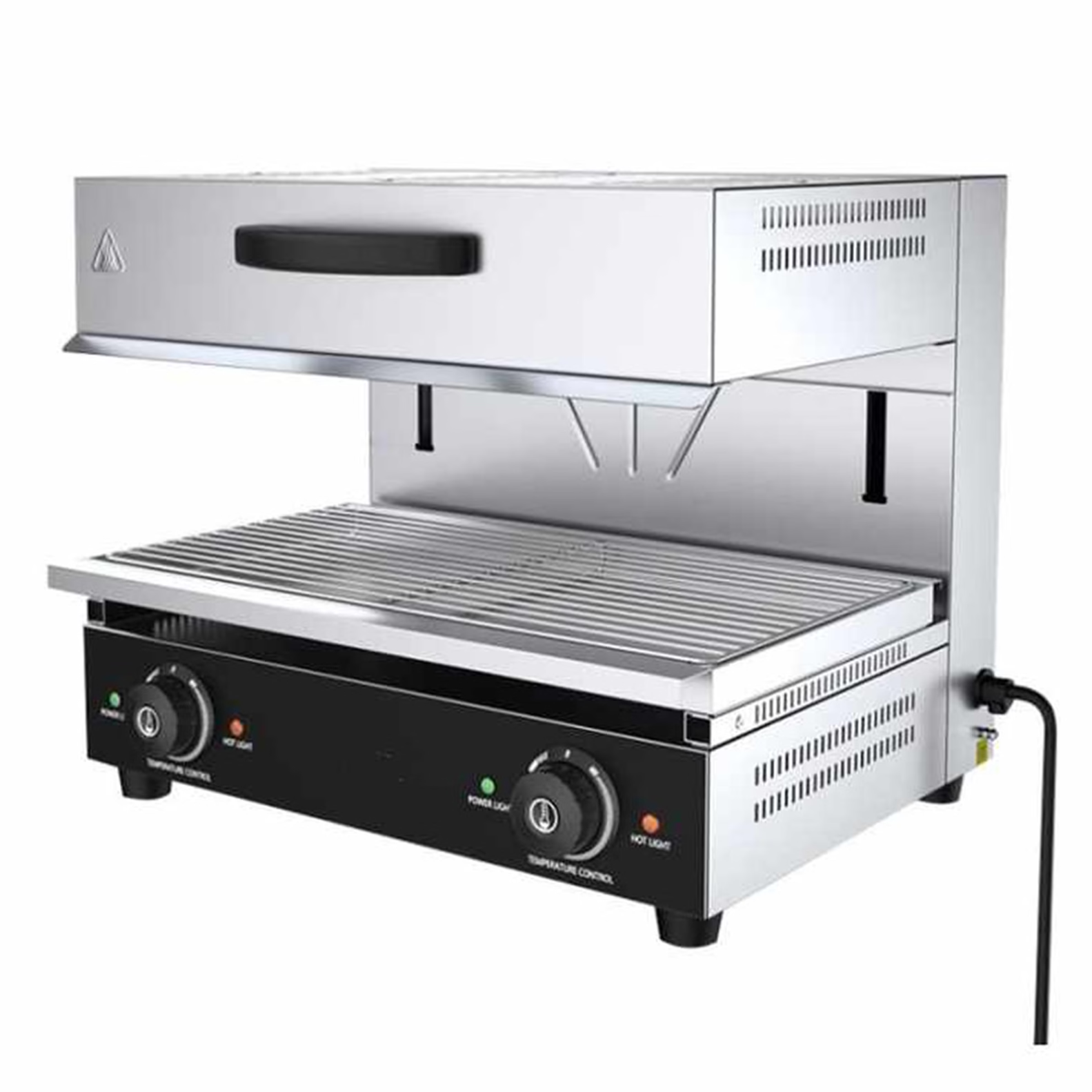
Electric Salamander

Price range: $200.00 through $220.00

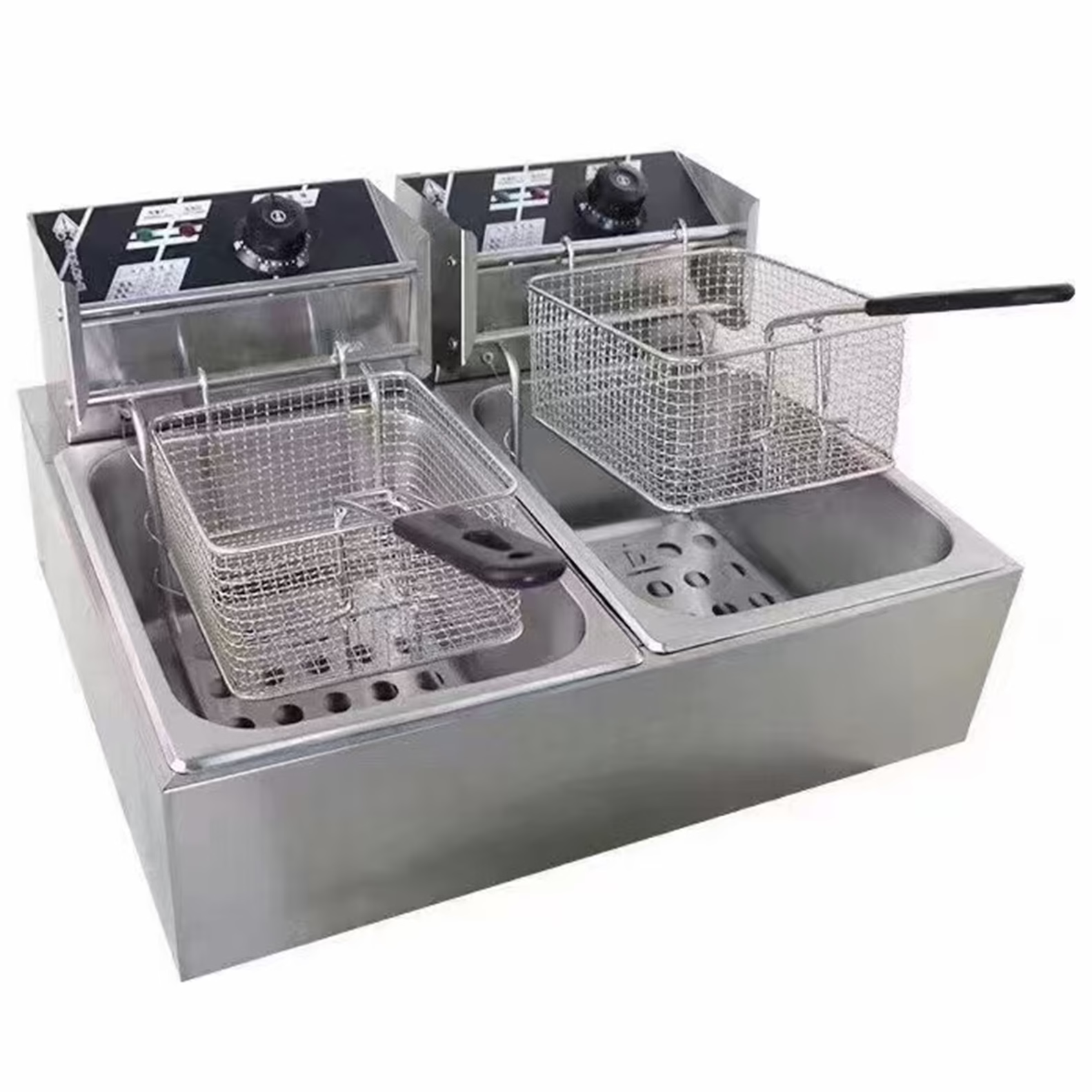
Fryer 12L

Price range: $26.00 through $28.00

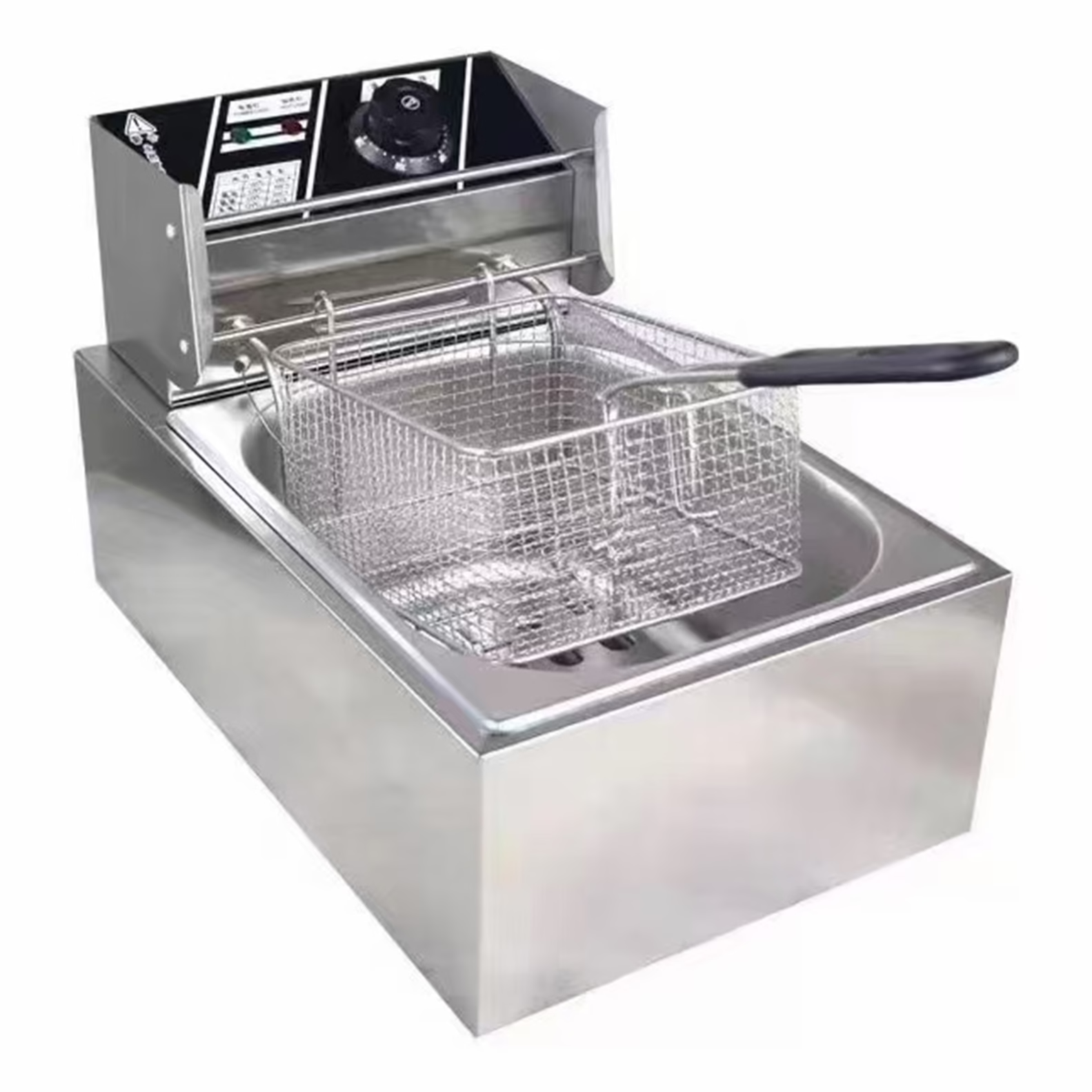
Fryer 6L

Price range: $15.00 through $18.00

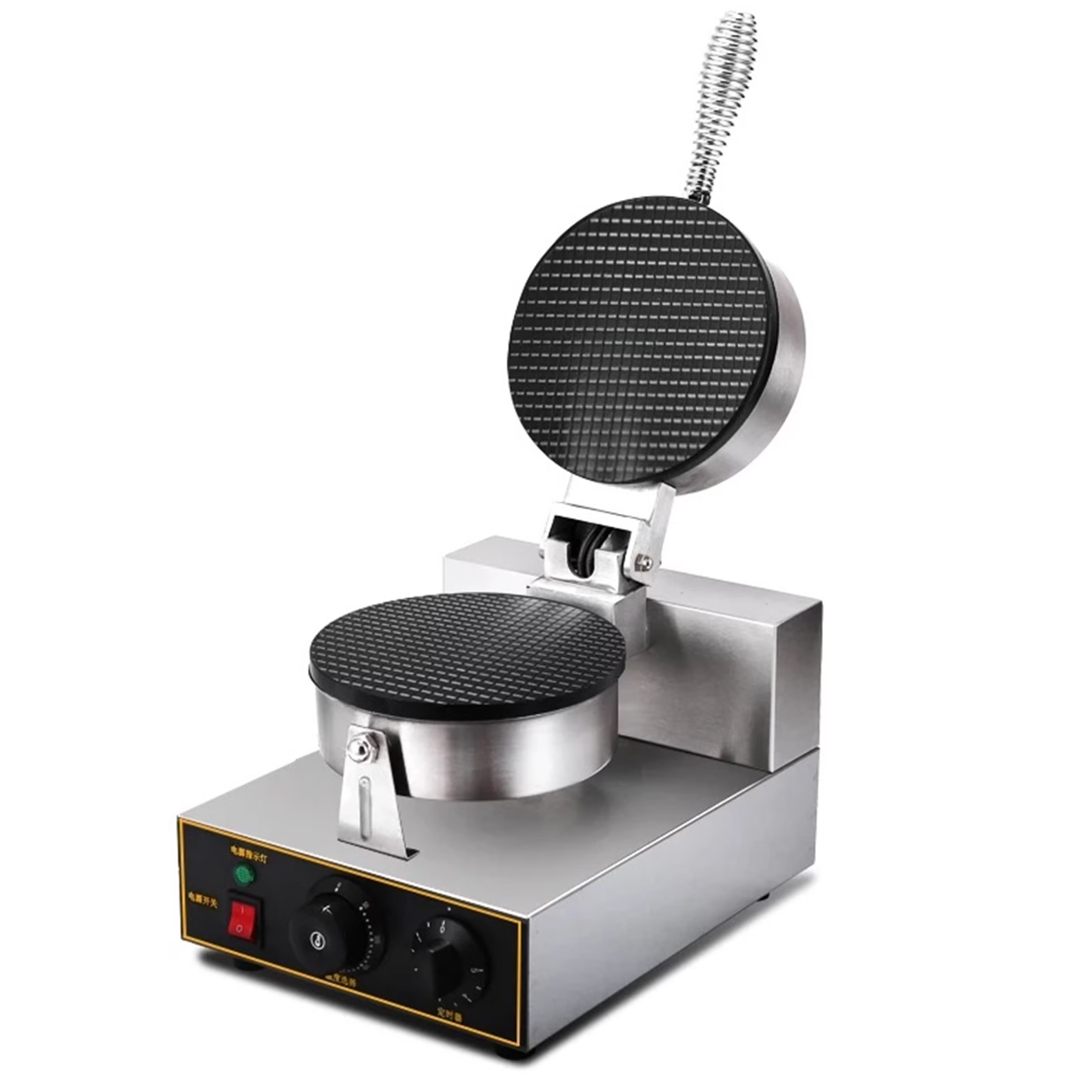
Ice Cream Wrapper Machine

Price range: $35.00 through $38.00

Platen Griddle

Price range: $60.00 through $65.00

Popcorn machine

Price range: $60.00 through $65.00