












Elevate Your Baking

ProBake Oven

Experience precision heat control for perfect bakes every time with ProBake Oven.

Supported Dishes

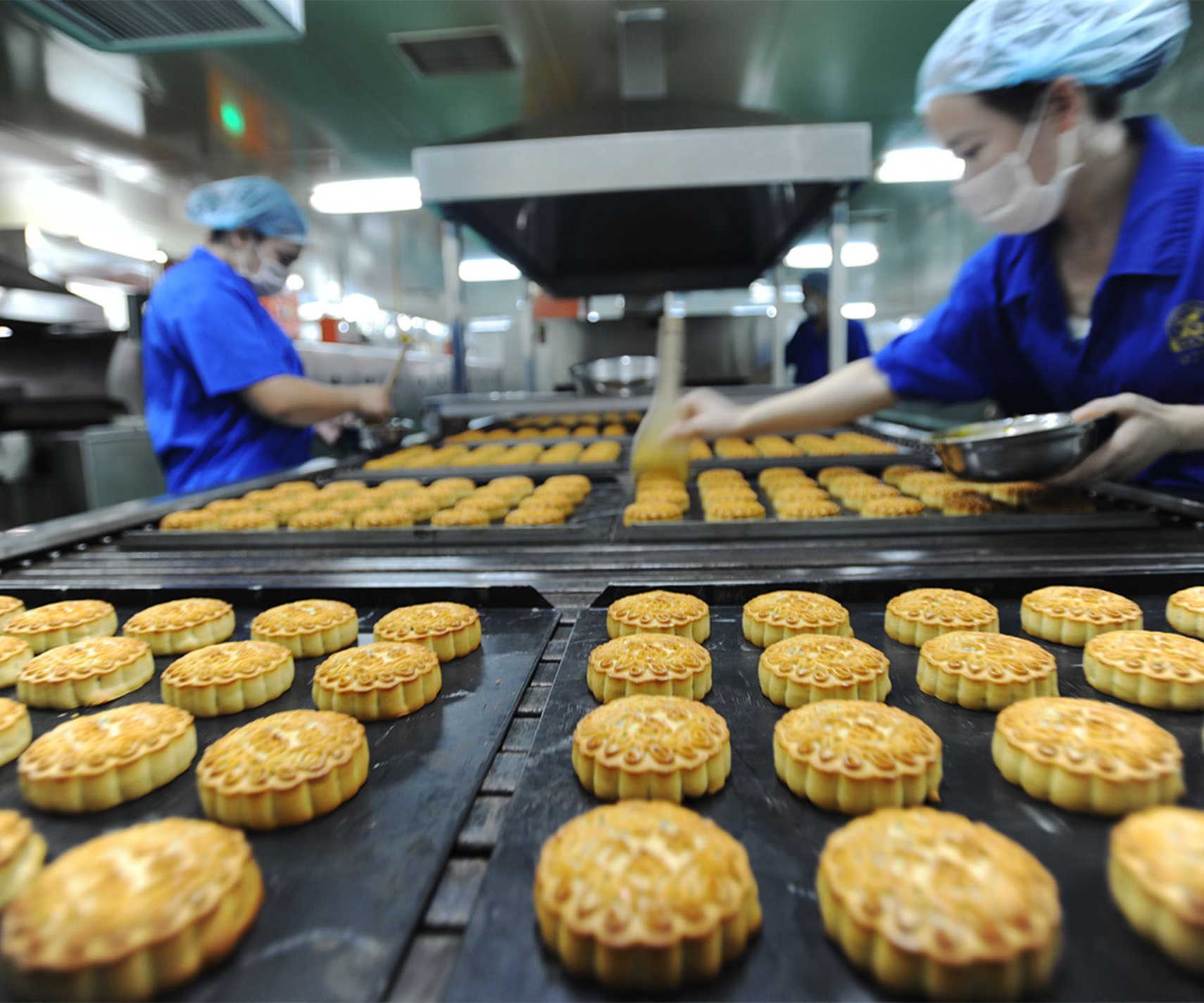
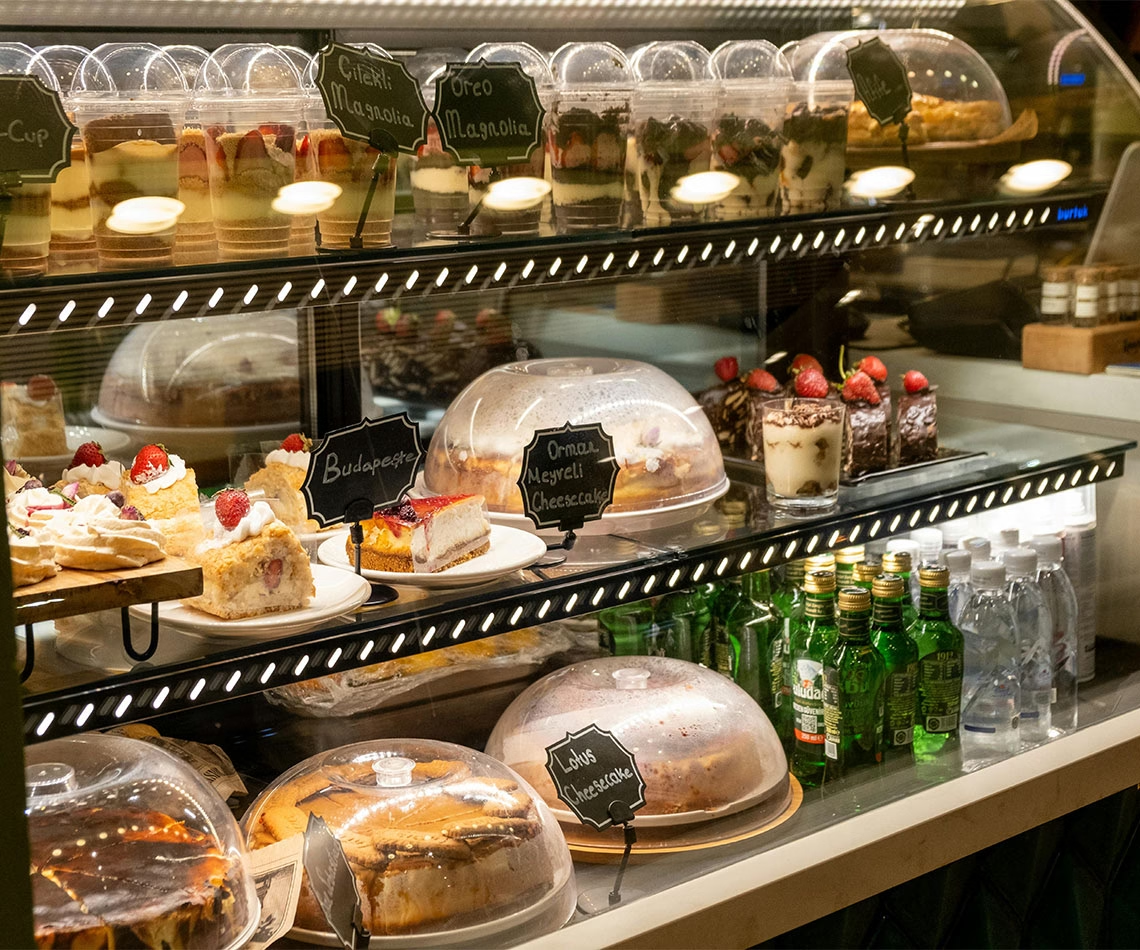
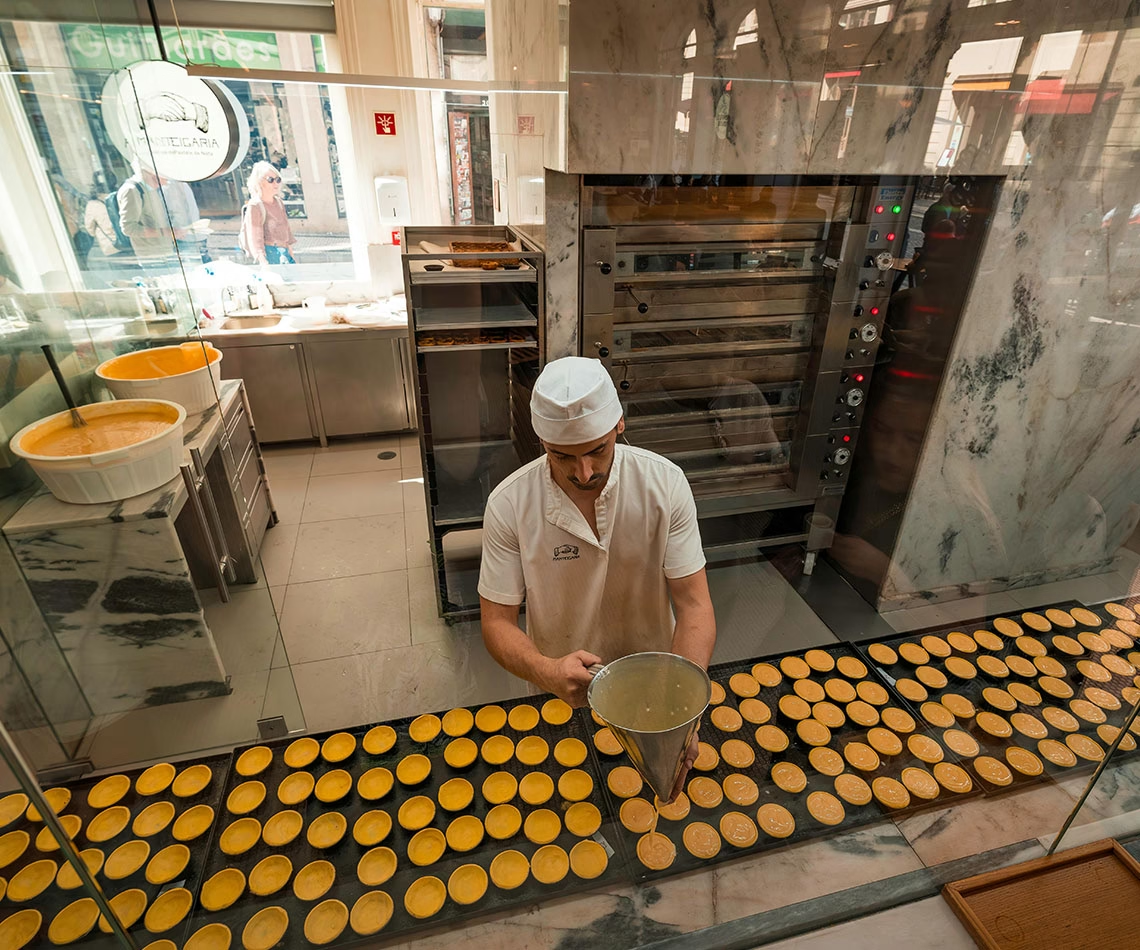
Dishes you can prepare using our equipment! If you have any questions about the use of our equipment, our experts will give you free consultation!

High temperature explosion-proof lamp

The compact design of the oven ensures it fits seamlessly into any kitchen space, while the clear viewing window allows you to easily monitor your cooking progress without hassle.

Independent temperature control system

The oven features independent upper and lower temperature controls, allowing precise cooking adjustments. With multiple baking mode options, it caters to diverse culinary needs, ensuring perfect results every time.

Thickened stainless steel body

Built with a robust design, this oven is rust-proof, waterproof, and corrosion-resistant, ensuring longevity and reliability. Perfect for both everyday use and challenging culinary tasks.

Independent temperature control system

This oven offers independent upper and lower temperature controls for tailored cooking precision. With various baking mode options, it adapts to any recipe, ensuring optimal baking results.

Case Support

Your Perfect Partner, Ideal Choice for Any Scenario

Customer Reviews

They have already used our services

Q&A

What is a Commercial Oven?

A commercial oven is designed for high-frequency use in commercial kitchens, restaurants, bakeries, hotels, and similar environments. Compared to home ovens, commercial ovens can accommodate up to 3 layers and 9 trays, have a power capacity of up to 27 kW, operate at 380V, and produce up to 80kg/h, fully meeting commercial needs. They are used for baking, roasting, and heating various foods such as bread, cookies, pizzas, and meats.

Types of Commercial Ovens

Commercial ovens are mainly categorized into the following types:

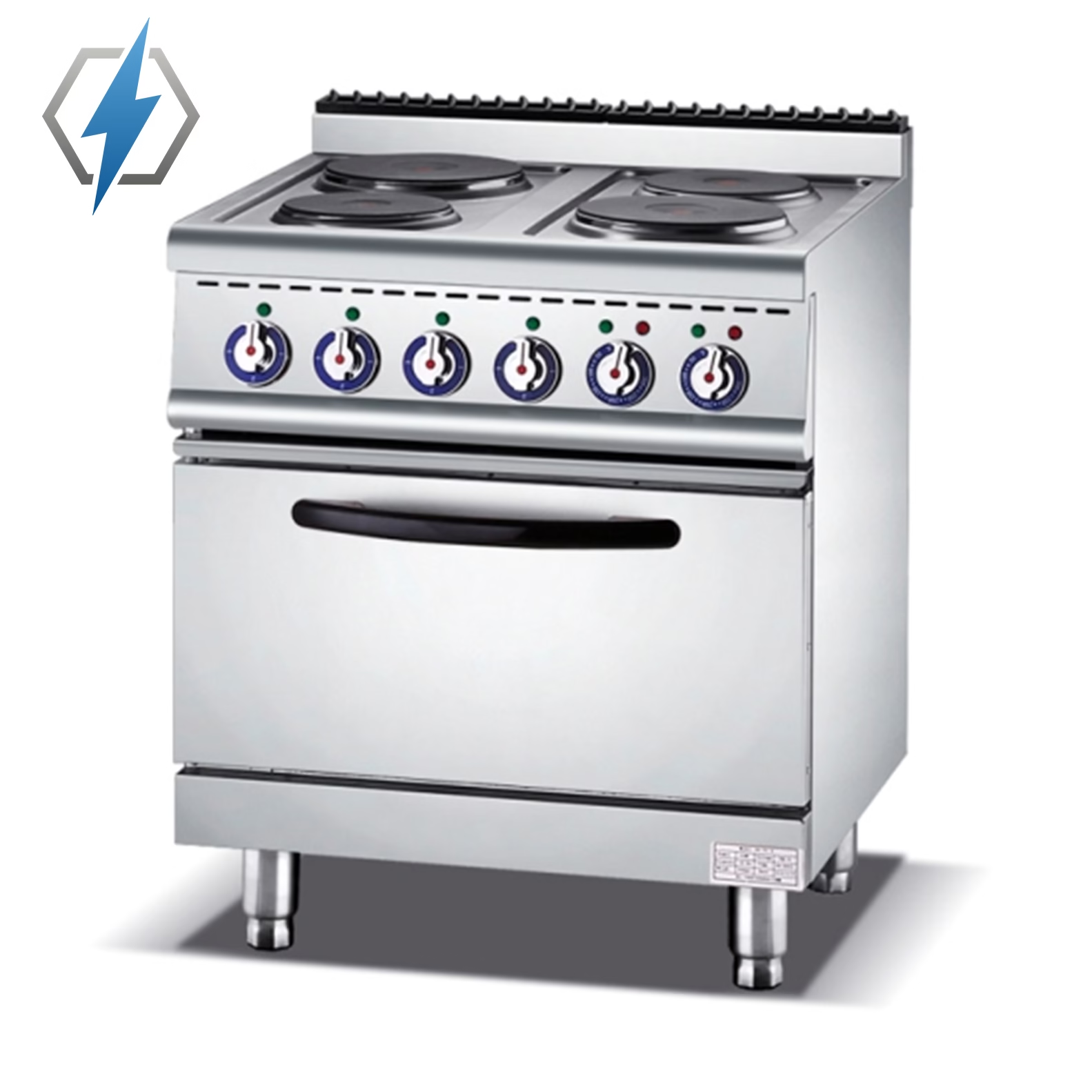
  1. Electric Ovens: Use electricity for heating, suitable for various baking and roasting needs, commonly found in bakeries and restaurants.
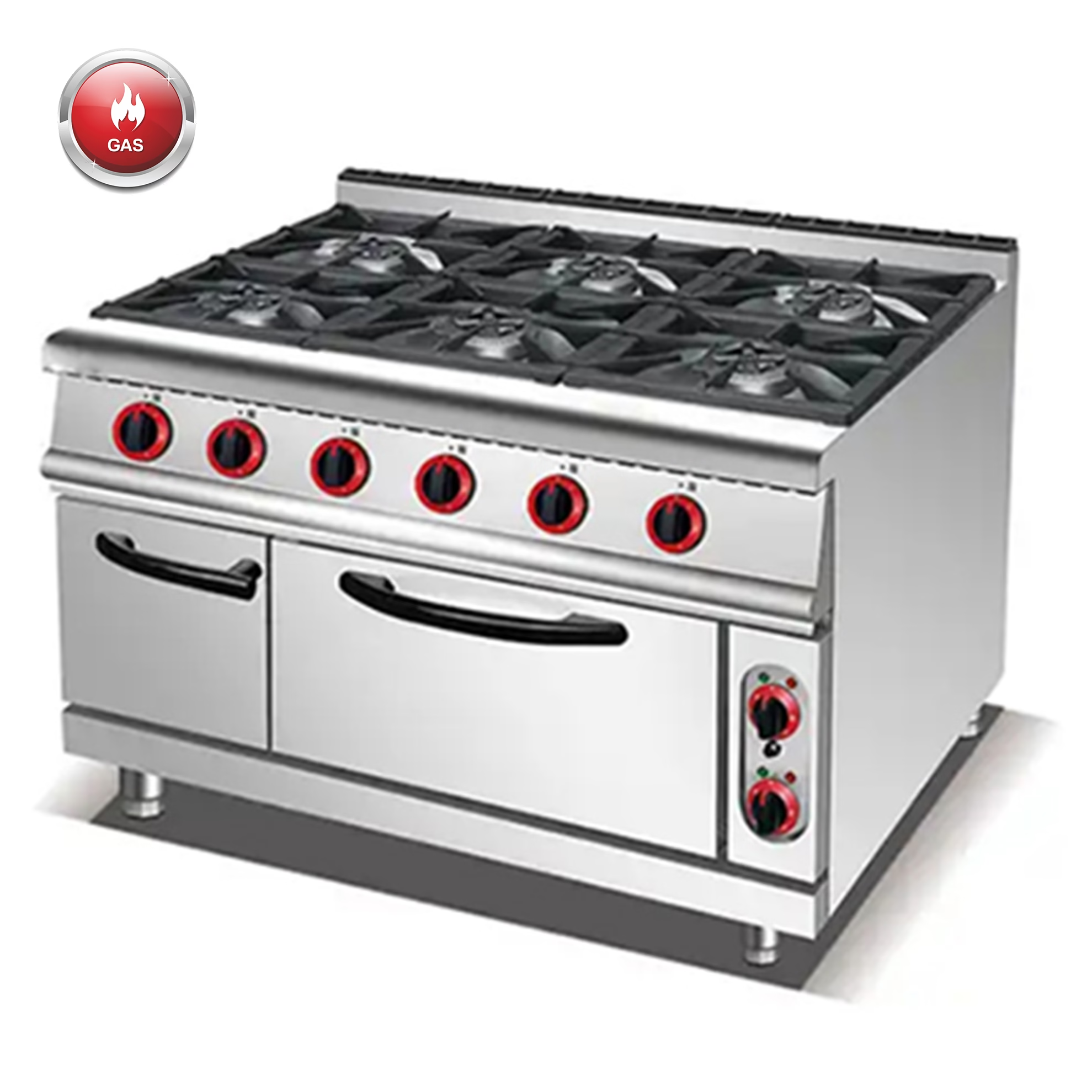
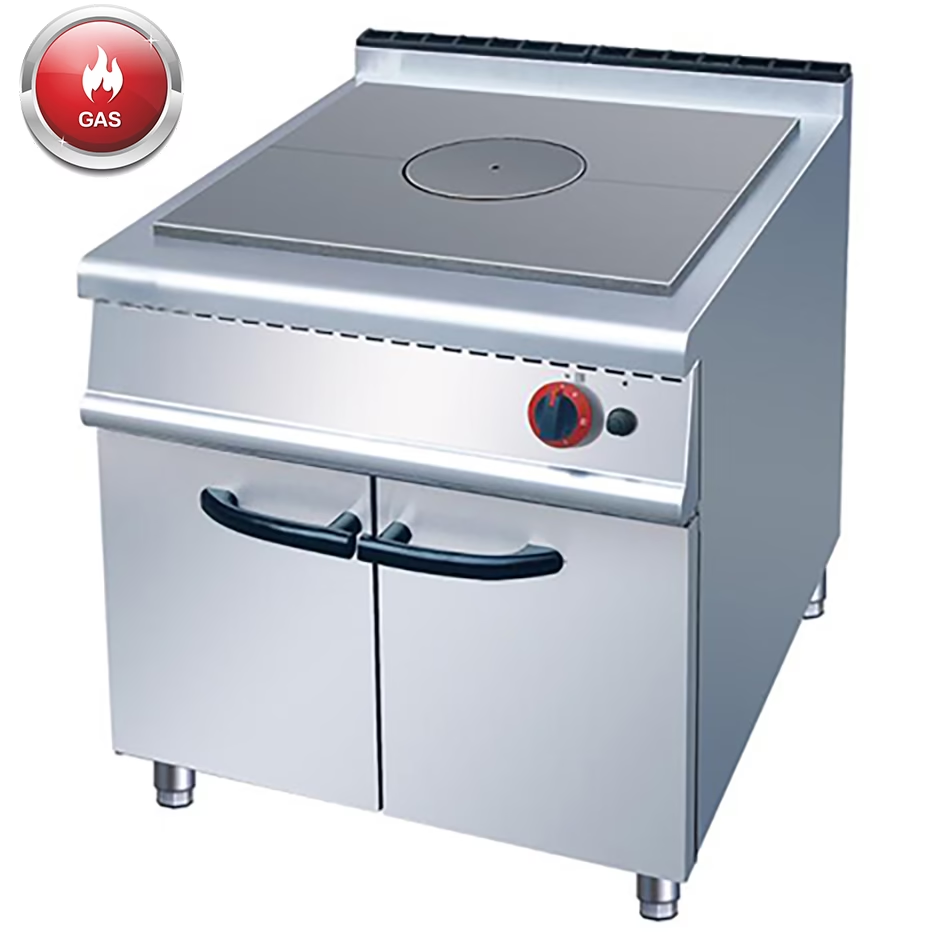
  2. Gas Ovens: Use natural or liquefied gas for heating, providing even baking results, ideal for high-intensity use in commercial kitchens.
  3. Combi Ovens: Combine steam and dry heat, allowing for both baking and steaming, suitable for making bread, cookies, pizzas, meats, and various dishes.
  4. Rotating Ovens: Have rotating trays inside to ensure even heating, commonly used in bakeries and pastry shops.
How to Operate a Commercial Oven?

The basic steps for operating a commercial oven are as follows:

  1. Preheat the Oven: Preheat the oven to the required temperature as per the recipe before placing the food inside.

  2. Prepare Ingredients: Prepare the ingredients to be baked or heated according to the recipe.

  3. Set Temperature and Time: Set the oven temperature (0-400°C) and baking time (0-99 minutes) as per the recipe.

  4. Place Ingredients: Place prepared ingredients on trays and position them appropriately inside the oven.

  5. Start the Oven: Close the oven door and start the baking or heating process.

  6. Monitor the Process: Use the oven window or periodically open the door to check the status of the food during baking.

  7. Finish and Remove: Once the baking time is complete, turn off the oven and carefully remove the food. Be cautious as both the food and oven will be hot.

  8. Clean and Maintain: Clean the trays and oven interior with warm water and detergent to maintain hygiene. Regularly check and maintain the oven to ensure proper operation.

By following these steps, a commercial oven can efficiently handle various foods such as bread, cookies, pizzas, and meats, meeting the needs of commercial kitchens and improving work efficiency and product quality.

Advantages of Different Types of Commercial Ovens
  1. Electric Ovens:

    • Precise Control: Accurate temperature control, ideal for tasks requiring precision baking.
    • Even Heating: Electric heating elements are evenly distributed to ensure uniform heat distribution.
    • Wide Application: Suitable for baking and heating a variety of foods.
  2. Gas Ovens:

    • Fast Heating: Quick heating, suitable for high-intensity use.
    • Economical: Gas is often cheaper than electricity.
    • Stable Temperature: Offers good temperature stability, suitable for commercial environments.
  3. Combi Ovens:

    • Versatile: Capable of both baking and steaming, suitable for various cooking needs.
    • Moisture Retention: Steam helps maintain the moisture of foods, preventing drying.
    • Nutrient Preservation: Steam cooking better retains the nutritional value of ingredients.
  4. Rotating Ovens:

    • Even Heating: Rotating trays ensure uniform heat distribution, avoiding hotspots.
    • High Capacity: Can handle 24-28 portions simultaneously, suitable for high production demands.
How to Choose a Commercial Oven?

Consider the following factors when choosing a commercial oven:

  1. Usage Needs: Select the right type of oven based on the commercial environment. For example, bakeries might need a rotating oven, restaurants might need a combi oven, and cafeterias might require a combi oven.

  2. Capacity and Size: Choose the appropriate capacity and size based on expected usage and kitchen space. Large three-layer ovens are suitable for outputs of over 60kg/h, while smaller two-layer ovens are suitable for outputs below 40kg/h or for space-constrained kitchens.

  3. Power and Heating Method: Choose the appropriate power and heating method (electric or gas) to meet baking and heating needs. Electric ovens are suitable for precise control, while gas ovens are ideal for high-intensity use.

  4. Features and Options: Determine if additional features such as steam cooking or multiple trays are necessary. Choose appropriate features based on actual needs.

  5. Brand and Quality: Opt for the ACL series brand of commercial ovens for better quality and after-sales service. High-quality ovens are usually more durable and offer stable performance.

  6. Budget: Choose a commercial oven that fits within your budget. High-end luxury models generally offer more features but are more expensive; standard models are budget-friendly and suitable for limited budgets.

Similar products

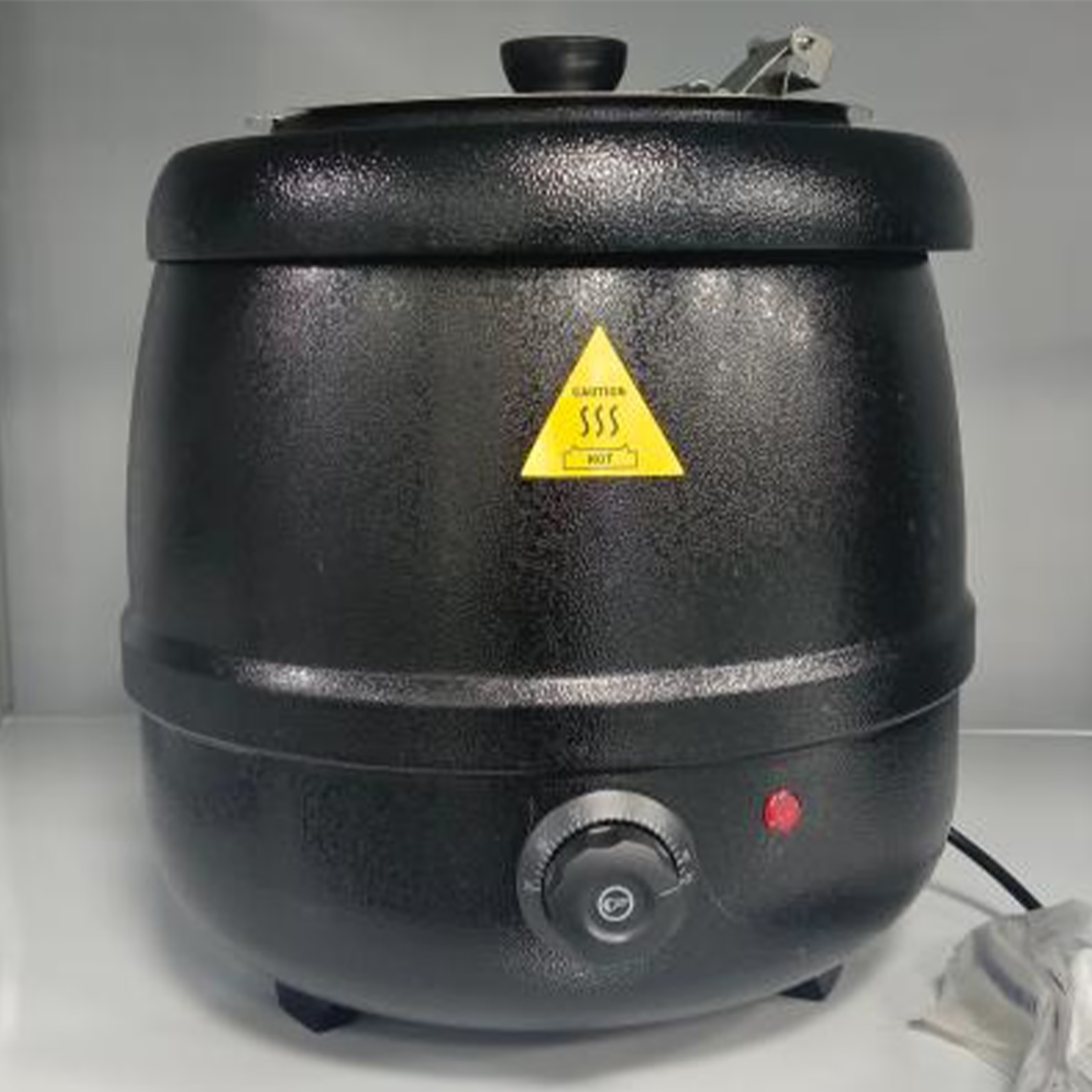
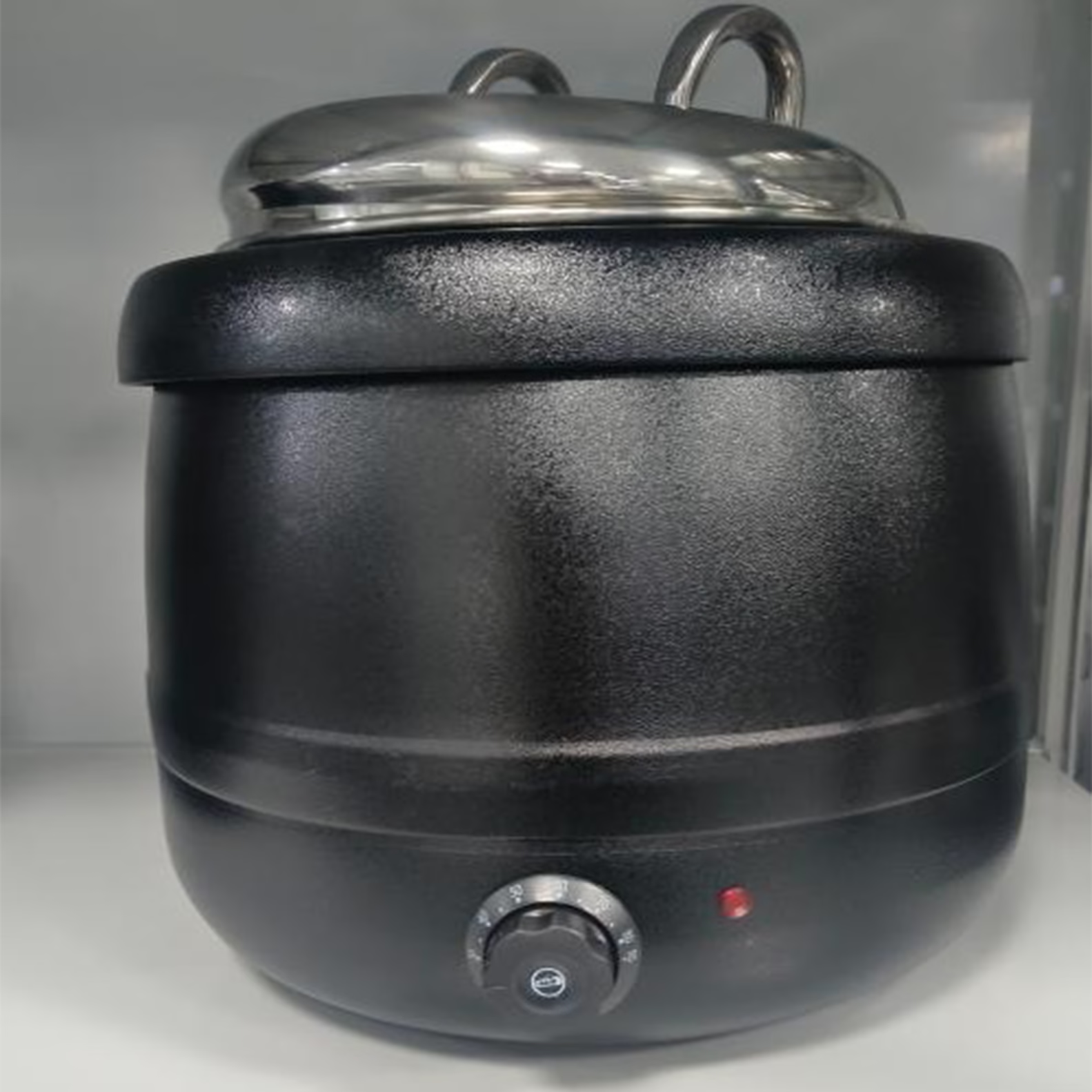
10L Black Electric Soup Cooker Flat Cover

Price range: $18.00 through $20.00

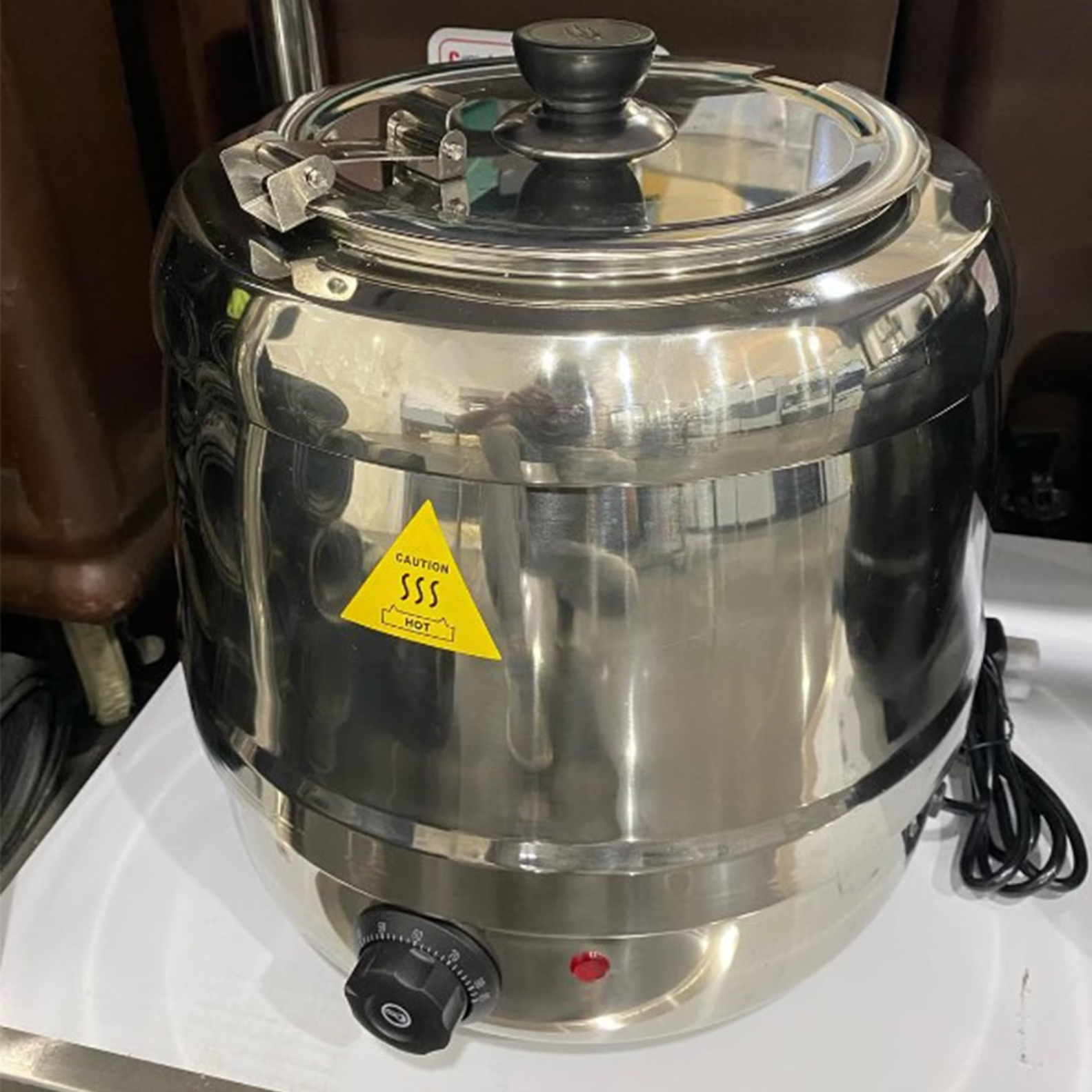
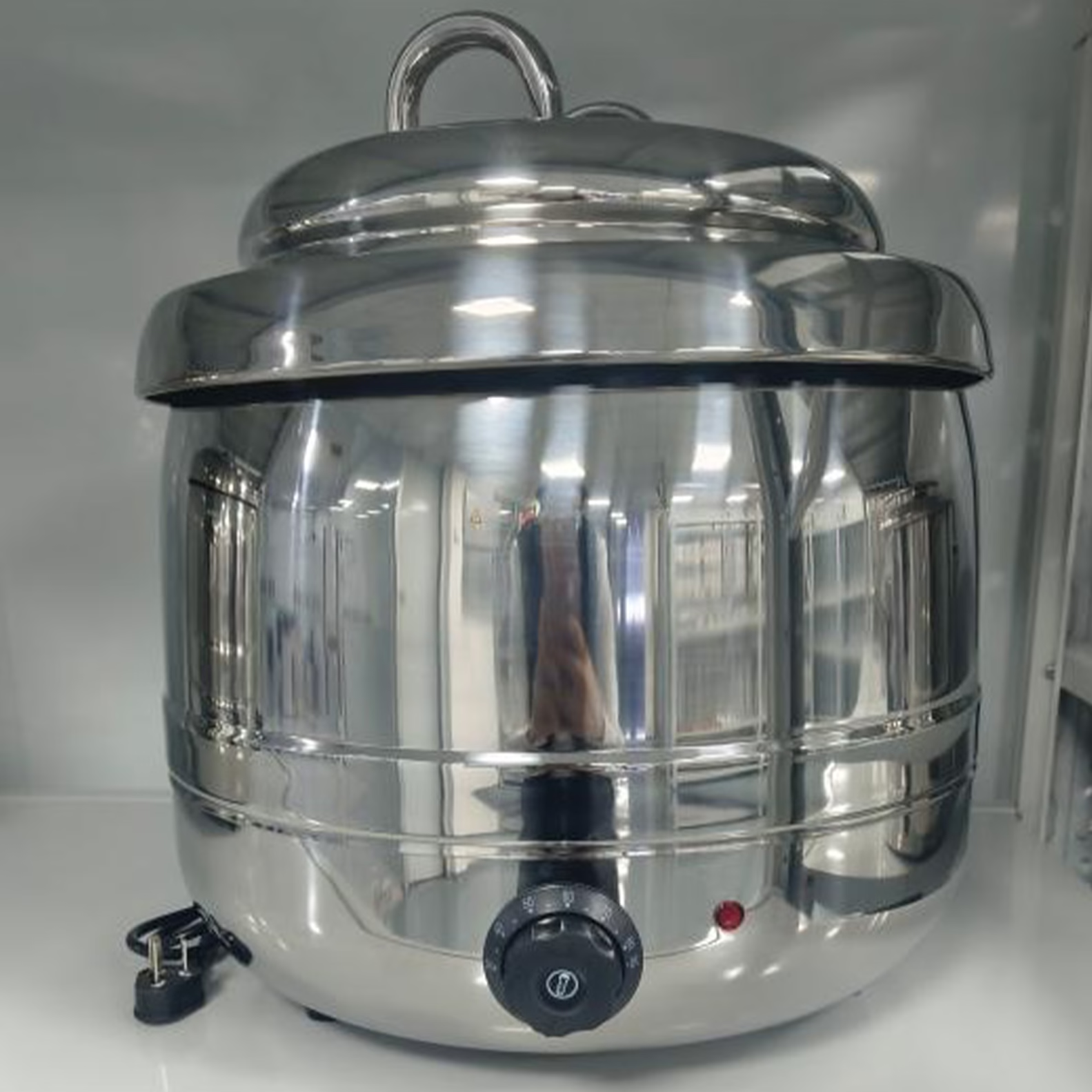
10L Stainless Steel Electric Soup Cooker

Price range: $28.00 through $30.00

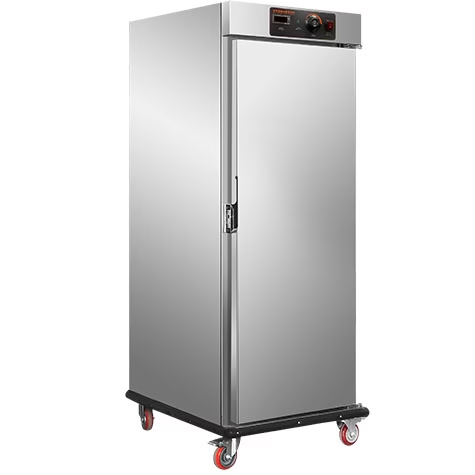
11-layer Food Warmer Banquet Cart

Price range: $535.00 through $585.00

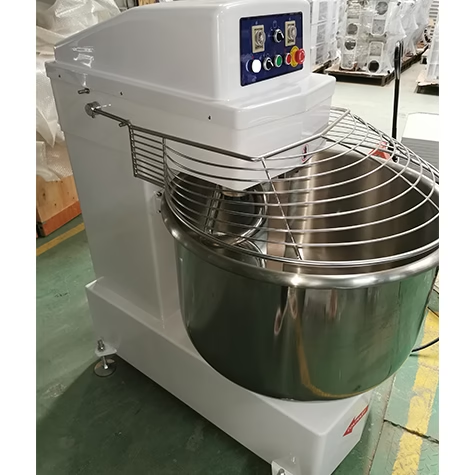
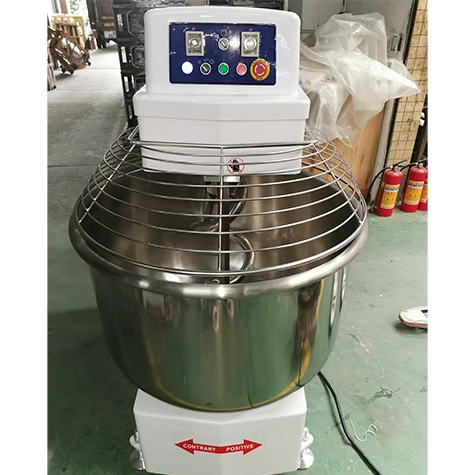
130L Dough mixer

Price range: $1,980.00 through $2,150.00

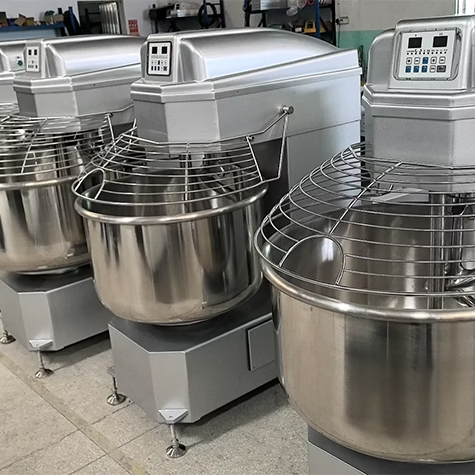
130L-Spiral Mixer

Price range: $2,140.00 through $2,325.00

13L Black Soup Pot

Price range: $29.00 through $32.00

13L stainless steel drum soup pot

Price range: $33.00 through $36.00

16L Tabletop fried chicken oven

Price range: $350.00 through $380.00

200L Dough mixer

Price range: $3,000.00 through $3,250.00

Other Products

130L Dough mixer

Price range: $1,980.00 through $2,150.00

130L-Spiral Mixer

Price range: $2,140.00 through $2,325.00

200L Dough mixer

Price range: $3,000.00 through $3,250.00

200L-Spiral Mixer

Price range: $3,205.00 through $3,485.00

20L Dough mixer

Price range: $265.00 through $290.00

260L Dough mixer

Price range: $3,290.00 through $3,580.00

260L-Spiral Mixer

Price range: $3,615.00 through $3,930.00

30L Dough mixer

Price range: $300.00 through $325.00

320L-Spiral Mixer

Price range: $4,765.00 through $5,180.00

40L Dough mixer

Price range: $365.00 through $410.00